
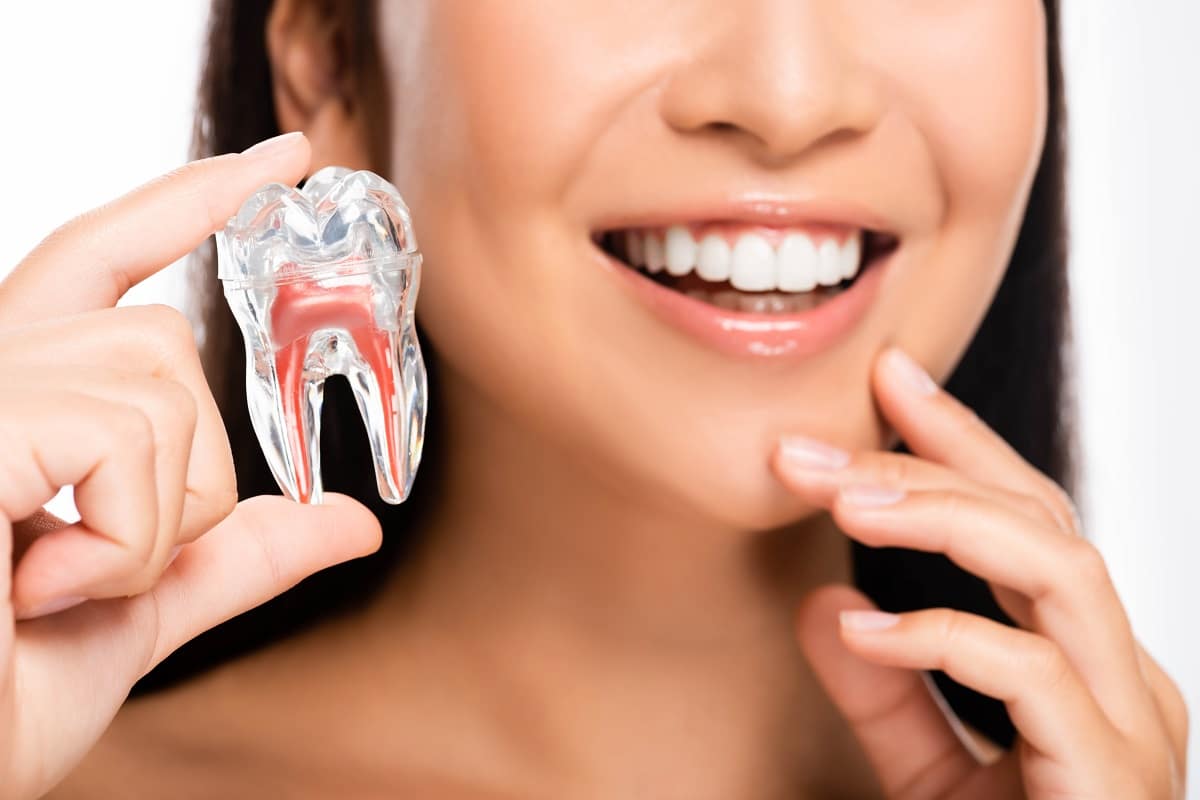
Keeping the very back teeth clean can be challenging, but your daily habits play a major role in preventing infection, decay, and gum irritation. This guide explains the most common cleaning mistakes patients make, how to avoid them, and what techniques actually work. Patients in El Paso, TX will learn how to protect these hard-to-reach teeth, improve their oral hygiene routine, and understand when professional care is necessary.
Back molars can be difficult to maintain because of their position, limited visibility, and tight spaces where food easily gets trapped. Many patients assume they are brushing thoroughly, yet still experience soreness or inflammation in the far back of the mouth. These issues often happen not because of neglect, but because these teeth require different cleaning techniques than the rest of your smile.
Understanding how to care for these areas properly helps prevent discomfort, reduces the risk of infection, and supports long-term oral health.
Keep Your Back Teeth Healthy and Problem-Free, Call Today!
Thank you for taking the time to learn how to care for your back teeth more effectively. We hope this guide gives you clarity and confidence in your daily routine so you can prevent common problems before they start. Whether you live in El Paso or nearby communities, applying these tips can make a meaningful difference in protecting your smile.
Dr. Paul V. Apilado and his team enjoy helping patients maintain healthy teeth through preventive care and personalized guidance. Every visit to our dental practice, Westside Dentistry in El Paso, is tailored to your needs, so you always know you’re using the best techniques for your oral health. Protect your smile, avoid preventable dental issues, and keep your hygiene routine on track. Schedule your visit with Westside Dentistry today.
Why Back Molars Need Extra Care
Rear molars are more vulnerable than other teeth for several anatomical reasons:
-
They sit farther back in the jaw, limiting visibility
-
Food particles easily lodge between tight spaces
-
Gum tissue may partially cover surfaces
-
Standard brushing angles don’t always reach them
Because bacteria thrive in trapped debris, plaque accumulates faster in these areas. Without proper cleaning, this can lead to gum inflammation, bad breath, decay, or infection.
How to Clean Wisdom Teeth Properly at Home
Cleaning third molars effectively requires precision rather than pressure. An experienced dentist typically recommends adjusting your technique rather than brushing harder.
Use the correct brush angle
Tilt the bristles toward the gumline at roughly 45 degrees so they can reach beneath the gum edge where plaque collects.
Switch to small circular motions
Short strokes improve accuracy and help clean tight spaces that wide scrubbing misses.
Spend extra time on the back section
Most people brush for less than two minutes. Dedicate at least 20–30 seconds to each rear quadrant.
Floss carefully around each tooth
Curve floss along the side of the tooth and slide gently below the gumline to remove hidden debris.
Finish with an antibacterial rinse
Swish mouthwash toward the back of your mouth for several seconds to reduce bacterial buildup.
Tools Dentists Recommend for Hard-to-Reach Areas
Patients who struggle to clean their back teeth thoroughly often benefit from specialized hygiene tools.
Interdental cleaners – Small brushes that remove debris between tight spaces.
Water flossers – Pressurized water flushes bacteria from pockets and gumlines.
Electric toothbrushes – Provide consistent motion and improved reach.
Angled brush heads – Designed to access rear teeth comfortably.
Clinical dental studies show that powered brushes and water flossers can significantly improve plaque removal compared to manual brushing alone, especially in hard-to-reach areas.
Common Cleaning Mistakes to Avoid
Many patients experience back-tooth problems because of simple technique errors:
-
Brushing only visible surfaces
-
Skipping floss in the very back
-
Using worn toothbrush bristles
-
Applying too much pressure
-
Rushing through brushing
Correcting these habits often resolves irritation and improves gum health within weeks.
Signs You Should See a Dentist
Schedule an evaluation if you notice:
-
Swollen or tender gum tissue in the back
-
Persistent bad breath
-
Pain while chewing
-
Redness or discharge near the rear molars
-
Difficulty opening your mouth
These symptoms may indicate trapped bacteria or an infection that requires professional treatment.
Why Professional Cleanings Matter
Even excellent home care cannot remove hardened plaque deposits. In cases where buildup extends beneath the gumline, your dentist may recommend a specialized treatment explained in detail in why a dentist might recommend deep cleaning.
Preventive care is consistently associated with lower long-term dental costs and fewer invasive treatments because problems are addressed early.
Long-Term Prevention Tips
-
Replace toothbrushes every three months
-
Drink water after meals to rinse debris
-
Limit sticky or sugary foods
-
Maintain routine dental exams
-
Address sensitivity or discomfort early
Consistency is the most important factor in maintaining healthy teeth and gums.
Thank you for taking the time to learn how to care for your back teeth more effectively. We hope this guide gives you confidence in your routine and helps you prevent common dental problems before they start. Whether you live in El Paso or nearby communities, applying these steps can make a meaningful difference in protecting your oral health. Protect your smile, avoid preventable dental issues, and keep your oral health on track
Frequently Asked Questions
How often should I clean back molars?
Brush twice daily and floss once daily to prevent plaque buildup.
Why do rear teeth get cavities easily?
Their position makes them harder to clean, allowing bacteria to accumulate.
Is mouthwash enough for cleaning them?
No. Rinses reduce bacterial growth but don’t physically remove plaque.
Should I use special tools?
Many patients benefit from interdental brushes or water flossers for deeper cleaning.
What if my back gums hurt?
Pain may signal infection or inflammation and should be evaluated promptly.
Can professional cleanings reach areas I can’t?
Yes. Dental instruments are specifically designed for difficult-to-access areas.