
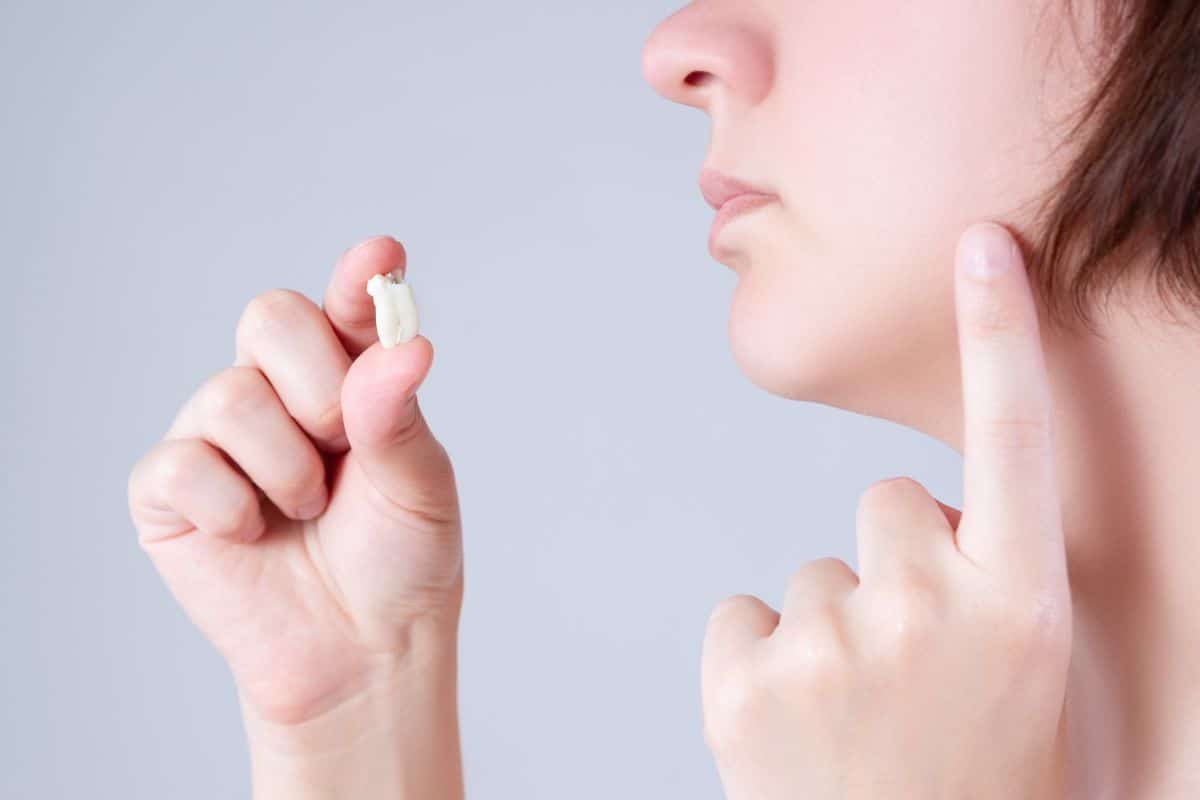
Having wisdom teeth removed is a common dental procedure, but the recovery process can be uncomfortable and sometimes lengthy. While everyone heals at their own pace, there are several steps you can take to speed up your recovery and reduce discomfort. In this blog, we’ll explore tips and strategies to help you recover faster after your wisdom teeth extraction.
1. Follow Post-Operative Care Instructions
Your dentist or oral surgeon will provide detailed post-operative care instructions. These guidelines are essential for healing and preventing complications. Adhering to their advice can significantly reduce your recovery time and avoid unnecessary setbacks.
1.1 Stick to a Soft Food Diet
For the first few days, eating soft foods like mashed potatoes, yogurt, or soups can prevent irritating the surgical site. Avoid hard, crunchy, or spicy foods that could get stuck in the sockets or cause discomfort. This can also help minimize the risk of infection.
1.2 Keep the Surgical Area Clean
You’ll be advised to gently rinse your mouth with warm salt water after the first 24 hours. This helps keep the area clean and promotes healing. Be careful not to disturb the blood clot that forms in the extraction site, as it’s crucial for proper recovery.
2. Manage Pain and Swelling
Swelling and pain are common after wisdom teeth removal, but managing them can help you feel more comfortable and speed up recovery.
2.1 Apply Ice Packs
Applying an ice pack to your cheeks can reduce swelling and help numb the area, alleviating pain. Use the ice pack for 20 minutes at a time, taking breaks in between. This can be particularly helpful during the first 48 hours after the procedure.
2.2 Take Pain Medication as Prescribed
Your dentist may prescribe pain medication or recommend over-the-counter options. Follow the prescribed dosage and timing to manage discomfort effectively. If your pain persists or worsens after the first few days, contact your dentist to ensure there are no complications.
3. Stay Hydrated
Drinking plenty of fluids is crucial for recovery. It helps keep your body hydrated, supports your immune system, and promotes healing. However, avoid using a straw for the first few days, as the suction can dislodge the blood clot in the extraction site, leading to a dry socket, a painful complication.
3.1 Choose Nutrient-Rich Liquids
In addition to water, opt for smoothies or nutrient-rich drinks to ensure you’re getting enough vitamins and minerals to aid in the healing process. Adding foods like spinach, kale, and berries to your smoothies can give your body the nutrients it needs.
4. Rest and Avoid Strenuous Activity
Rest is essential for your body to heal. While it might be tempting to go back to your regular activities right away, taking it easy for the first few days can significantly speed up recovery.
4.1 Sleep with Your Head Elevated
For the first few nights, sleeping with your head elevated can help reduce swelling. You can use extra pillows to prop your head up or sleep in a recliner to maintain a comfortable position.
4.2 Avoid Physical Exertion
Physical activity increases blood flow, which can lead to more swelling and potentially interfere with the healing process. Avoid heavy lifting, exercising, or participating in sports for at least a week after the surgery.
5. Monitor for Complications
While most people recover from wisdom teeth removal without issues, it’s important to be vigilant for signs of complications, as early intervention can prevent more severe problems.
5.1 Watch for Signs of Infection
Signs of infection include fever, increasing pain, or discharge of pus from the extraction sites. If you notice any of these symptoms, it’s essential to contact your dentist immediately for proper treatment.
5.2 Be Aware of Dry Socket
A dry socket is one of the most common complications after wisdom teeth removal. It occurs when the blood clot that forms in the extraction site is dislodged, leaving the bone and nerves exposed. If you experience intense pain several days after your extraction, seek dental care right away.
6. Maintain Good Oral Hygiene
Proper oral hygiene is crucial during your recovery process. Although you should avoid brushing directly on the surgical site, it’s still important to keep your mouth clean to prevent infection and promote healing.
6.1 Brush Your Teeth Carefully
After the first few days, you can resume brushing your teeth, but avoid brushing directly over the extraction sites for at least a week. Use a soft-bristled toothbrush and be gentle to prevent irritation or damage to the area.
6.2 Use a Saltwater Rinse
As mentioned earlier, saltwater rinses can help keep the area clean and reduce the risk of infection. Rinse your mouth gently after meals to help flush out food particles and bacteria.
7. Follow Up with Your Dentist
Regular follow-up appointments are essential for monitoring your healing progress. Your dentist will check for any signs of complications and make sure your recovery is on track.
7.1 Schedule a Follow-Up Appointment
Most oral surgeons schedule a follow-up visit within a week of the procedure to check how you’re healing. This is a good opportunity to address any concerns or discomfort you’re experiencing.
Conclusion
Recovering from wisdom teeth removal doesn’t have to be an overwhelming process. By following your dentist’s instructions, managing pain and swelling, staying hydrated, resting, and keeping an eye out for complications, you can speed up your recovery and get back to your regular routine sooner. If you have any concerns or experience unusual symptoms, don’t hesitate to reach out to your dentist for guidance. Proper care and attention to your recovery will ensure a smooth and speedy healing process.