
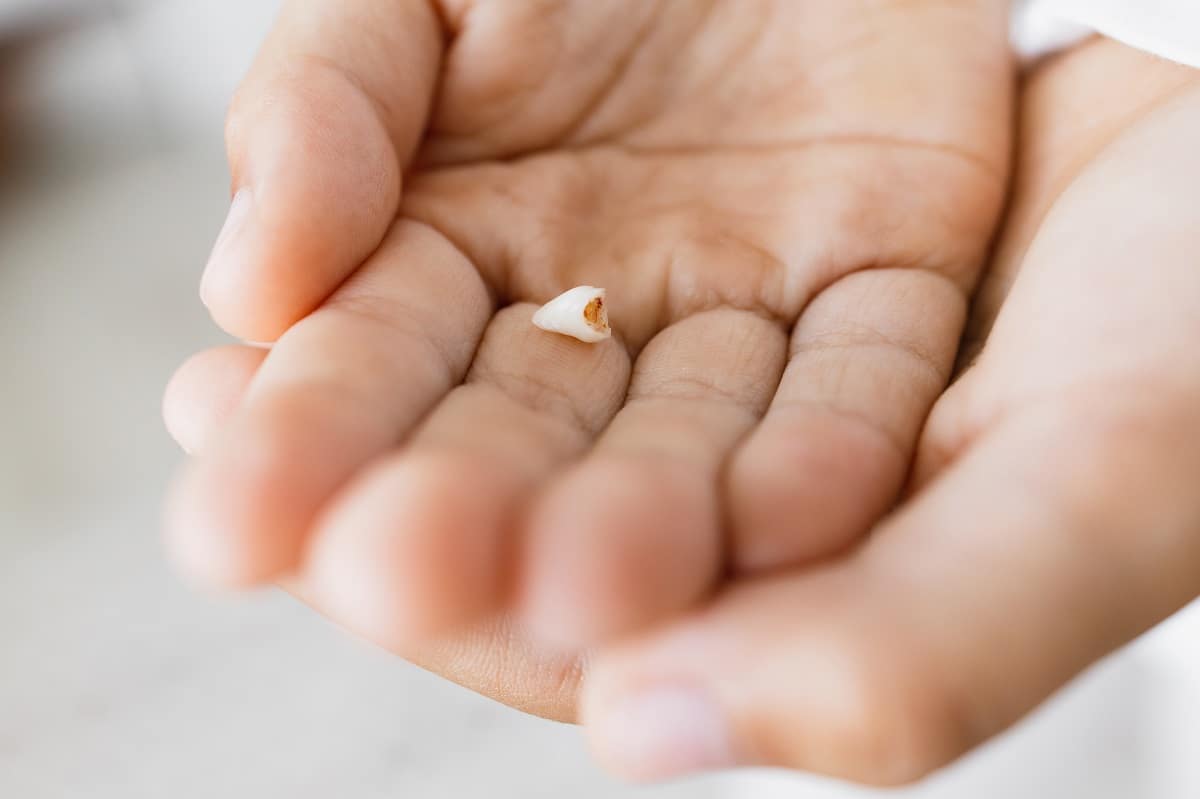
Breaking a tooth can feel alarming, especially when it happens suddenly during dinner at a local El Paso restaurant or while playing sports under the Texas sun. Many residents aren’t sure whether a damaged tooth is salvageable or if immediate treatment is necessary. Acting quickly often makes the difference between saving the tooth and needing more extensive care, which is why understanding your options matters.
If you’ve just injured a tooth and aren’t sure what to do next, Call 915.444.2782 for guidance. Prompt action can reduce discomfort, prevent complications, and increase the chances of preserving your natural tooth. Knowing what steps to take and when to seek care can protect both your oral health and your peace of mind.
Compassionate Dental Care in El Paso
At Westside Dentistry, Dr. Paul V. Apilado and his team focus on patient comfort, education, and clear communication. The team understands that dental visits can feel stressful, especially after an unexpected injury. Their approach emphasizes calm, supportive care and practical guidance so patients understand every treatment option available, from routine services to restorative procedures. The team at Westside Dentistry can evaluate the injury, explain options clearly, and recommend appropriate care based on clinical findings.
Can a Broken Tooth Be Saved?
In many cases, yes. Modern dentistry offers multiple techniques that can restore structure and function depending on the severity of damage. According to the American Dental Association, treatment success depends on factors such as fracture depth, pulp involvement, and how quickly care is received.
Minor chips affecting only enamel may be repaired easily, while deeper fractures involving dentin or pulp require more involved procedures. Teeth broken below the gumline or split vertically may be harder to preserve, but still deserve professional evaluation before assuming extraction is necessary.
Types of Tooth Breaks and What They Mean
Small Chips or Surface Cracks
These often cause minimal discomfort. Dentists typically restore them using polishing, bonding, or veneers.
Moderate Fractures
If dentin is exposed, sensitivity to temperature and pressure is common. Crowns or onlays are often recommended to reinforce the tooth.
Severe Breaks or Split Teeth
When pulp tissue is affected, pain and swelling may occur. Root canal therapy followed by a crown can often save the tooth.
Tooth Broken at the Root
These injuries may not be visible, but can cause pain when chewing. Imaging helps determine whether stabilization or removal is required.
Immediate Steps After Breaking a Tooth
Taking the right steps before seeing a dentist can improve outcomes:
-
Rinse gently with warm water to clean the area.
-
Apply a cold compress to reduce swelling.
-
Save any broken fragments if possible.
-
Avoid chewing on the affected side.
-
Take over-the-counter pain relief if needed.
Promptly seeking care from an emergency dental care provider in El Paso is essential if you experience bleeding, intense pain, or visible nerve exposure.
Can a broken tooth be fixed if it’s been a few hours?
Yes. Many broken teeth can still be repaired hours after injury, especially if the fragment is preserved and the tooth root remains intact. Dentists may use bonding, crowns, or root canal therapy depending on the depth. Prompt evaluation improves the likelihood of saving the tooth and prevents infection.
Treatment Options Dentists Use to Repair Broken Teeth
Dental Bonding
A tooth-colored resin is applied and shaped to restore minor damage. This is commonly used for small chips or cosmetic fractures.
Dental Crowns
Crowns cover and protect weakened teeth. They’re often recommended when structural integrity is compromised.
Root Canal Therapy
If pulp tissue is inflamed or infected, root canal treatment removes damaged tissue while preserving the outer tooth.
Dental Veneers
Thin porcelain shells may be used when the front tooth is chipped but structurally stable.
Extraction and Replacement
If a tooth cannot be preserved, replacement options like implants or bridges may be discussed.
Patients needing an emergency dentist in El Paso should seek evaluation the same day whenever possible, as delays can increase infection risk or worsen fractures.
When a Broken Tooth Is a Dental Emergency
Not every fracture requires immediate treatment, but some signs indicate urgency:
-
Persistent bleeding
-
Severe pain or swelling
-
Visible pulp exposure (pink or red center)
-
Tooth fragments lodged in gums
-
Jaw injury accompanying the break
In these cases, a visit to an emergency dentist in El Paso is recommended to prevent complications.
Why Timing Matters for Tooth Repair
Dental trauma triggers biological responses inside the tooth. When enamel and dentin are compromised, bacteria can enter the pulp chamber. Research cited by the National Institute of Dental and Craniofacial Research shows that untreated dental injuries increase infection risk and structural deterioration.
Early intervention helps:
-
Reduce bacterial contamination
-
Preserve nerve vitality
-
Maintain natural tooth alignment
-
Avoid more complex procedures
Long-Term Outlook After Repair
Many restored teeth function normally for years when properly treated and maintained. Longevity depends on:
-
Extent of original damage
-
Type of restoration used
-
Oral hygiene habits
-
Bite forces and grinding habits
Regular dental visits allow monitoring of repaired teeth and early detection of complications such as cracks or recurrent decay.
Preventing Future Tooth Breaks
Although accidents can’t always be avoided, preventive measures lower the risk:
-
Wear mouthguards during sports
-
Avoid chewing ice or hard objects
-
Treat cavities promptly
-
Address teeth grinding with nightguards
Preventive care plays a major role in reducing dental emergencies.
If you’ve broken a tooth, contacting a dental office promptly can make treatment simpler and more predictable. Call 915.444.2782 to schedule an assessment and protect your oral health before the issue worsens.
Frequently Asked Questions
Q1. Can a half-broken tooth be saved?
Often yes. Dentists may restore it with a crown, bonding, or root canal therapy, depending on how deep the fracture extends.
Q2. Does a broken tooth always hurt?
No. Some fractures don’t cause pain immediately, especially if nerve tissue isn’t affected. Lack of pain doesn’t mean treatment isn’t needed.
Q3. How long can I wait before seeing a dentist?
Ideally, you should be evaluated the same day. Waiting longer increases the risk of infection and further damage.
Q4. What if the broken piece is lost?
Dentists can still rebuild the tooth using restorative materials. Keeping the fragment helps, but it isn’t required for repair.
Q5. Will insurance cover treatment?
Coverage varies by plan and procedure. Many policies provide partial coverage for restorative treatment when medically necessary.