
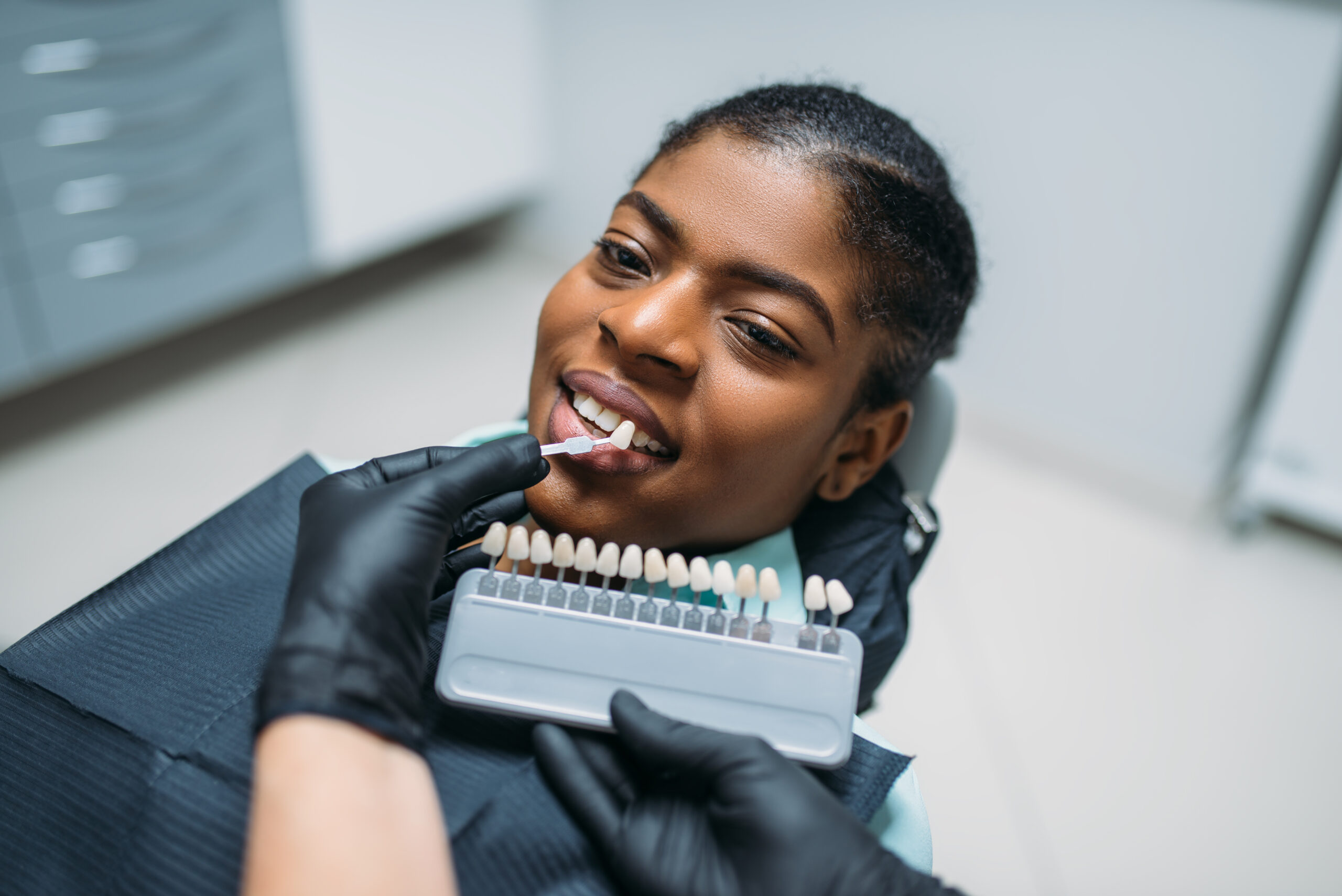
If you’re exploring a smile makeover, you’ve likely asked yourself: porcelain vs. composite veneers — which lasts longer and costs less in El Paso? It’s one of the most common questions Dr. Paul V. Apilado hears at Westside Dentistry. Both options can transform your smile dramatically. But they differ in cost, durability, appearance, and the procedure involved.
Understanding those differences helps you make a confident, informed decision. This guide breaks down both veneer types side by side. You’ll walk away knowing exactly what to expect from each option right here in El Paso, TX.
What Are Porcelain and Composite Veneers?
Veneers are thin shells bonded to the front surface of your teeth. They cover chips, stains, gaps, and uneven edges. The two most common materials are porcelain and composite resin. Each has unique strengths depending on your smile goals and budget.
Porcelain veneers are custom-crafted in a dental lab. They require two or more visits to complete. The results are highly lifelike because porcelain mimics natural enamel beautifully. These are considered the gold standard in cosmetic dentistry.
Composite resin veneers are applied directly to your teeth in a single visit. Your dentist sculpts and bonds the resin by hand. There’s no lab work involved. This makes composite a faster and more affordable path to a better smile.
Porcelain vs. Composite Veneers: Aesthetics and Appearance in El Paso
When comparing porcelain vs. composite veneers for aesthetics in El Paso, porcelain wins in most cases. Porcelain reflects light the same way natural enamel does. It resists staining from coffee, tea, and wine. Most people cannot tell the difference between a porcelain veneer and a real tooth.
Composite resin has improved significantly over the years. A skilled dentist can achieve beautiful, natural-looking results. However, composite is more porous than porcelain. That means it can stain more easily over time without proper care.
Both materials come in a range of shades. Your dentist will match the veneer color to your surrounding teeth. For front-facing teeth that need high visual impact, many patients prefer porcelain.
Durability: Which Veneer Type Lasts Longer?
Durability is often the deciding factor when choosing between the two. Here’s a straightforward comparison of how long each material typically lasts:
- Porcelain veneers: Last 10–20 years with proper care
- Composite veneers: Last 5–7 years on average
- Porcelain: Highly resistant to chipping and staining
- Composite: More prone to chipping but easier to repair
- Both: Require regular dental checkups to maintain longevity
Porcelain is harder and more resistant to daily wear. It holds its color and shape for many years. Composite can wear down faster, especially in patients who grind their teeth. That said, composite chips can be repaired chairside in a single visit — porcelain chips usually mean replacing the whole veneer.
Dr. Apilado evaluates each patient’s bite and habits before recommending a material. El Paso patients who clench or grind may benefit from a custom night guard alongside either veneer type.
Cost Comparison: Which Option Costs Less in El Paso?
Cost is a top concern for many patients exploring cosmetic dentistry. Composite veneers are generally more affordable upfront. Porcelain veneers cost more per tooth but often deliver longer-lasting value. Here’s a general breakdown to help you compare:
- Composite veneers: Typically lower cost per tooth
- Porcelain veneers: Higher initial investment per tooth
- Composite: May need replacement or touch-ups more frequently
- Porcelain: Higher upfront cost but fewer replacements over time
- Both: Total cost depends on the number of teeth treated
Think of it this way: composite veneers save money today. Porcelain veneers may save money over a decade. Your dentist can walk you through the numbers based on how many teeth you want treated.
At Westside Dentistry, we believe every El Paso patient deserves a clear picture of their investment. We’ll never push you toward the pricier option if it doesn’t match your goals.
The Procedure: What to Expect With Each Veneer Type
The treatment process differs significantly between the two materials. Knowing what’s involved helps you plan your schedule and set realistic expectations.
Porcelain veneer procedure:
- Consultation and smile design with Dr. Apilado
- Light enamel removal to make room for the veneer
- Impressions taken and sent to a dental lab
- Temporary veneers placed while your permanent ones are crafted
- Second visit to bond the finished porcelain veneers in place
Composite veneer procedure:
- Consultation to discuss shade and shape
- Minimal or no enamel removal required
- Composite resin applied and sculpted directly on the tooth
- Cured with a special light and polished to a smooth finish
- Completed in one single appointment
Because composite requires little to no enamel removal, it’s considered a more reversible option. Porcelain veneers are permanent once the enamel is reshaped. That’s an important consideration for younger patients or those still exploring their options.
Which Veneer Is Right for You?
The right choice depends on your priorities. If long-lasting aesthetics matter most, porcelain delivers. If affordability and speed are your focus, composite may be the smarter start. Neither option is universally better — it comes down to your unique smile and lifestyle.
Some El Paso patients even combine both. For example, composite on less visible teeth and porcelain on front teeth. Dr. Apilado takes a personalized approach with every patient at Westside Dentistry. Your consultation will include a full smile assessment before any recommendation is made.
It’s also worth noting that veneers are not the only cosmetic solution. Teeth whitening can address discoloration without any enamel removal. Dental Sealants El Paso protect natural teeth from decay, which is a smart complement to any cosmetic treatment. And for patients missing teeth, Dental Implants El Paso offer a permanent restoration before veneers are even considered.
Final Thoughts From Westside Dentistry in El Paso
Both porcelain and composite veneers can give you the smile you’ve always wanted. Porcelain offers superior durability and aesthetics over the long term. Composite offers speed, affordability, and repairability. The best choice is the one that fits your life, goals, and budget in El Paso, TX.
Dr. Paul V. Apilado and the Westside Dentistry team are here to guide you through every step. We’ll answer your questions honestly and help you choose confidently. Book Now to schedule your appointment with our team.
Frequently Asked Questions
Are porcelain veneers worth the higher cost?
For many patients, yes. Porcelain veneers last 10–20 years and resist staining better than composite. The higher upfront cost often means fewer replacements over time. Your dentist can help you weigh the long-term value based on your specific goals.
Can composite veneers be repaired if they chip?
Yes — that’s one of the biggest advantages of composite resin. Your dentist can repair a chip chairside in a single visit. Porcelain veneers that chip typically need full replacement. For patients with active lifestyles, this repairability can be a meaningful benefit.
Do veneers damage your natural teeth?
Porcelain veneers require light enamel removal, which is permanent. Composite veneers often require little to no enamel reshaping. Neither option damages healthy tooth structure when placed correctly. Always consult a qualified dentist before moving forward with any veneer treatment.
How long does the composite veneer procedure take?
Composite veneers are typically completed in one appointment. Depending on how many teeth are treated, the visit can take one to two hours. There’s no lab waiting period. You leave the same day with a transformed smile.
Can I get veneers if I have missing teeth?
Veneers work on existing natural teeth and are not a replacement for missing ones. If you have missing teeth, your dentist may recommend addressing those first. Options like dental implants or bridges can restore the foundation before cosmetic work begins. Dr. Apilado will assess your full smile before recommending any treatment plan.