
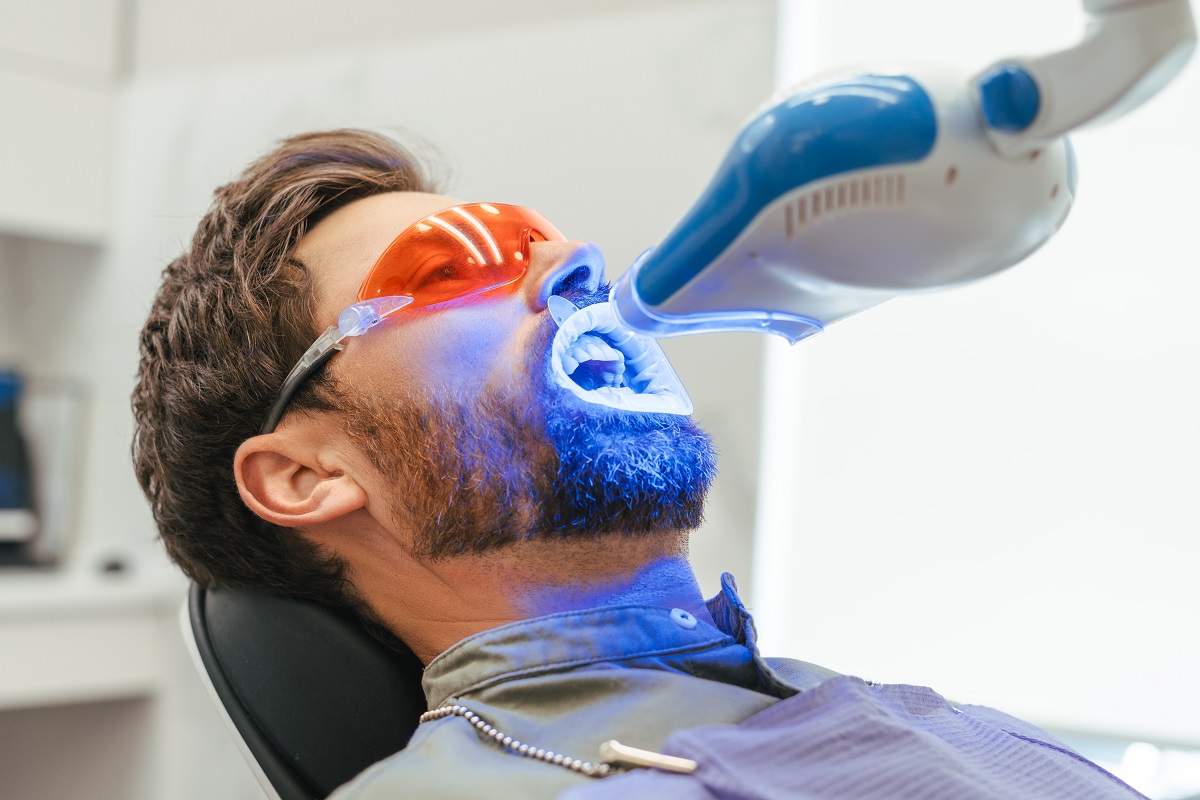
In West El Paso, it is common for patients to ask about whitening before weddings, graduations, family photos, or professional events. Many already deal with sensitivity when drinking iced tea, eating something sweet, or breathing in cold air. That often leads to an understandable concern: Will teeth whitening make sensitive teeth worse or permanently damage them? The short answer is usually no, but the full answer depends on why your teeth are sensitive in the first place.
Dr. Paul V. Apilado combines a patient-focused approach with years of experience to help patients feel comfortable and confident in their dental decisions. After earning his DDS from the University of Texas Health Science Center at San Antonio, he built his approach around listening carefully and creating positive dental experiences. At Westside Dentistry, Dr. Apilado helps patients understand concerns like tooth sensitivity before recommending cosmetic treatment. If you are considering teeth whitening, contact us to schedule an evaluation and discuss your options.
Why Sensitive Teeth and Whitening Often Get Confused
One of the biggest misconceptions patients have is assuming sensitivity after whitening means damage occurred. In reality, temporary sensitivity and permanent damage are not the same thing.
Professional whitening products work by using active ingredients that penetrate enamel and break apart stain molecules below the surface. During that process, teeth may temporarily feel more reactive to temperature changes. This can happen even in otherwise healthy teeth.
What patients often describe sounds like this:
- “Cold water suddenly feels sharper”
- “I noticed quick zings after whitening”
- “My teeth felt sensitive for a few days”
That reaction can feel alarming, especially for someone already dealing with mild sensitivity. However, temporary discomfort does not automatically mean enamel was harmed.
For patients considering whitening with a cosmetic dentist whom El Paso residents trust, the first step is usually determining whether sensitivity comes from healthy but naturally reactive teeth or an underlying issue that deserves attention first.
Sensitive Teeth Do Not Always Mean You Should Avoid Whitening
A common patient behavior pattern is postponing whitening indefinitely because they assume sensitivity makes them a bad candidate.
That is not always true.
Some people naturally have thinner enamel or exposed dentin, which makes cold temperatures feel stronger. Others experience temporary sensitivity after recent dental work or aggressive brushing. In many cases, whitening can still be done safely with adjustments.
Where dentists become more cautious is when sensitivity points to something more significant, such as:
- Small untreated cavities
- Worn enamel from grinding
- Gum recession exposing root surfaces
- Cracked teeth
- Leaking dental fillings
These problems can make whitening feel far more uncomfortable and may need treatment before cosmetic procedures are considered.
This is one reason professional evaluation matters. Two patients may describe “sensitive teeth” in completely different ways, but the underlying cause can completely change what treatment makes sense.
The Mistake Many Patients Make Before Whitening
A frequent mistake dentists see is patients testing over-the-counter whitening strips repeatedly before understanding why their teeth hurt.
Many people assume discomfort simply means the whitening is “working,” so they push through it.
That approach can backfire.
Patients with existing sensitivity sometimes increase discomfort by:
- Whitening too often
- Leaving strips on longer than directed
- Using highly abrasive whitening toothpaste simultaneously
- Ignoring gum irritation
- Whitening while cavities or gum problems are present
In real-world dental settings, it is not unusual to see patients arrive frustrated because they abandoned whitening after a painful DIY experience, only to learn later that the discomfort came from an untreated issue rather than the whitening product itself.
A personalized approach from a cosmetic dental treatment provider patients rely on often looks very different from one-size-fits-all whitening products sold online or in stores.
What Actually Causes Sensitivity During Whitening?
Many patients imagine whitening chemicals are “eating away enamel,” but that is not what happens during properly supervised treatment.
Instead, whitening ingredients temporarily open microscopic pathways in enamel so oxygen molecules can break apart stains. During this process, the inner nerve area of the tooth can become more reactive for a short period.
Think of it less like damage and more like temporary overstimulation.
This is why sensitivity often:
- Peaks shortly after treatment
- Feels stronger with cold foods or drinks
- Improves within a few days
- Does not permanently alter the tooth
However, not every patient reacts the same way.
For example, someone who drinks multiple acidic beverages daily, clenches their teeth at night, or brushes aggressively may already have enamel wear that makes whitening feel more intense than expected.
That is where professional planning becomes important.
When Dentists May Recommend Waiting
Sometimes the safest whitening decision is simply waiting.
Patients are often surprised when dentists recommend treating sensitivity first rather than moving directly into cosmetic care. While that may feel disappointing initially, it often creates better whitening results later.
Dentists may recommend postponing professional whitening if there are signs of:
Sudden or worsening tooth pain
If sensitivity has recently become stronger, there may be decay, a crack, or nerve irritation involved.
Gum recession
Exposed root surfaces respond differently to whitening products and may become uncomfortable.
Recent dental treatment
After fillings, crowns, or periodontal treatment, teeth sometimes need time to settle.
Heavy enamel wear
People who grind their teeth or consume acidic drinks regularly may benefit from protective strategies first.
The goal is not to say no to whitening. It is to improve comfort and reduce the chance of regret.
Professional Whitening vs DIY Products for Sensitive Teeth
Many patients assume store-bought products are safer because they seem weaker.
Interestingly, that is not always true.
DIY whitening often becomes problematic because people self-adjust treatment without realizing it. Someone hoping for faster results may whiten more frequently or combine products in ways not intended.
Professional whitening tends to be more controlled because dentists can:
- Assess whether sensitivity has a treatable cause
- Recommend lower-strength or modified whitening options
- Protect irritated gum tissue
- Adjust timing based on patient comfort
- Monitor reactions more carefully
That does not mean professional whitening guarantees zero sensitivity. It means the process is often more predictable and individualized.
Myths That Cause Unnecessary Fear
A few myths continue to stop patients from exploring whitening when they may actually be good candidates.
“Whitening permanently destroys enamel”
Professional whitening does not permanently strip enamel when appropriately used.
“Sensitive teeth mean whitening is impossible”
Sensitivity alone does not automatically disqualify someone from cosmetic treatment.
“Pain means damage happened”
Temporary sensitivity does not necessarily mean harm occurred.
“Whitening toothpaste is the same as professional whitening”
Many whitening toothpastes focus more on stain removal from the surface and may actually feel abrasive for sensitive patients.
Wondering Whether Whitening Is Safe for You?
At Westside Dentistry, Dr. Paul V. Apilado helps patients understand whether tooth sensitivity is something manageable or a sign that another dental issue deserves attention first. If you have been avoiding whitening because of discomfort, scheduling an evaluation can help you understand your options and whether treatment makes sense for your smile goals.
It is understandable to feel hesitant about whitening when sensitivity is already part of the picture. However, guessing whether treatment is safe may only create more uncertainty. In some cases, sensitivity is temporary or manageable. In others, it may signal something that should be evaluated before whitening.
If you are unsure what applies to your situation, we invite you to visit our dental practice in El Paso, TX, for personalized guidance. At Westside Dentistry, we can help determine what may be causing sensitivity, answer your questions, and explain whether whitening makes sense for your smile goals. Rather than continuing to wonder, contact us today to schedule a visit and get clear, professional advice you can feel confident about.
Frequently Asked Questions
Does teeth whitening permanently damage sensitive teeth?
Professional whitening does not typically cause permanent damage. Temporary sensitivity may happen, but lasting problems are uncommon when teeth are healthy, and treatment is properly planned.
Why do teeth feel sensitive after whitening?
Whitening temporarily increases tooth reactivity while stain molecules are being broken down. This sensitivity often improves within a few days.
Can I whiten my teeth if cold drinks already hurt?
Possibly, but it depends on what is causing the sensitivity. Cavities, gum recession, or enamel wear may need attention first.
Is professional whitening safer than whitening strips?
Professional whitening is often more customized because dentists can evaluate your oral health and adjust treatment for comfort.
How long does sensitivity after whitening usually last?
Most mild sensitivity improves within several days. If discomfort becomes severe or lasts longer, it may signal an underlying issue.
Can whitening damage enamel?
When professionally supervised or used as directed, whitening generally does not damage enamel.
Should I use whitening toothpaste before treatment?
Not always. Some whitening toothpastes can feel abrasive for already sensitive teeth and may worsen discomfort.
When should tooth sensitivity be checked before whitening?
If sensitivity is sudden, worsening, or sharp enough to interfere with eating or drinking, it is worth evaluating before cosmetic treatment.