
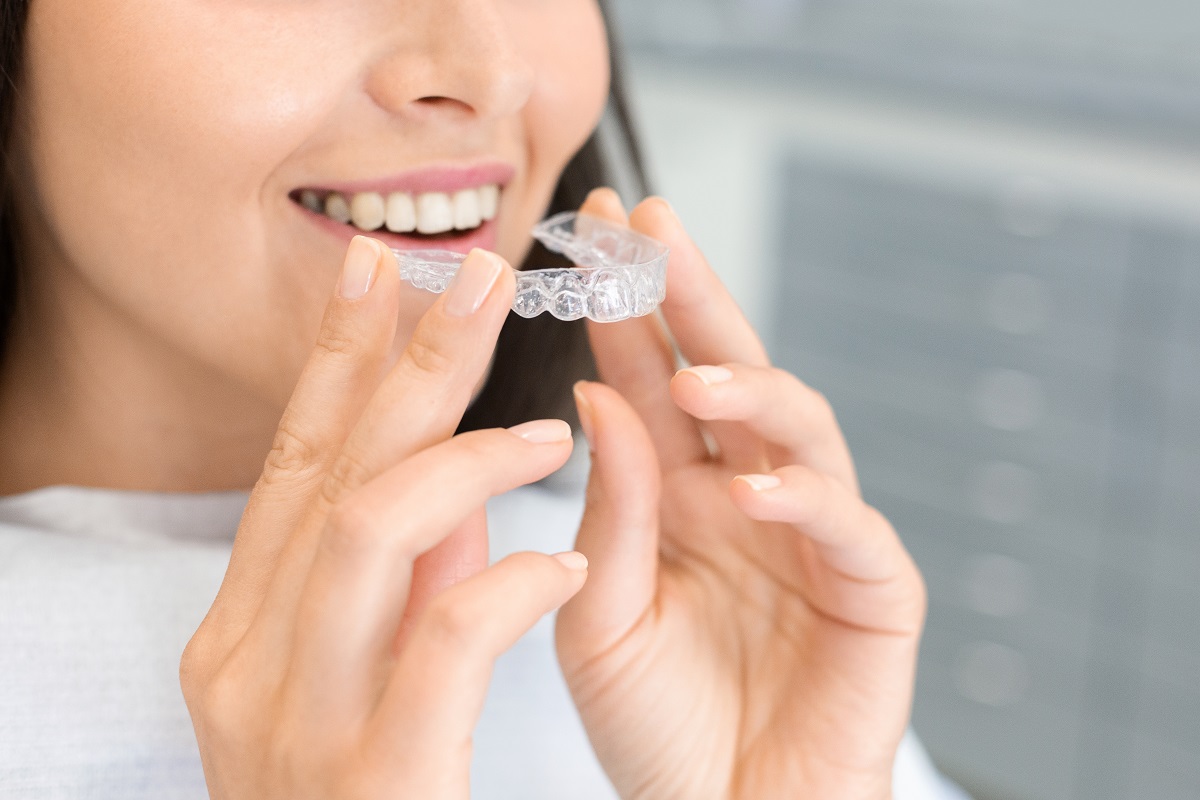
Many patients in El Paso, Horizon City, Socorro, and nearby West Texas communities are surprised when they wake up with sore teeth, jaw tightness, or dry mouth after starting Invisalign. A common concern we hear at Westside Dentistry Paul V. Apilado, DDS is: “Is this supposed to happen, or is something wrong?” Since aligners are worn 20 to 22 hours a day, including while sleeping, overnight discomfort can feel more noticeable. The key is understanding which symptoms are expected and which ones deserve attention.
At Westside Dentistry, Dr. Paul V. Apilado takes a patient-centered approach to orthodontic care, focusing on comfort, predictable tooth movement, and clear communication throughout treatment. By carefully monitoring aligner fit and progress, he helps patients feel informed about what is normal and when adjustments may be needed. If you have questions about aligner discomfort or want to explore treatment options, visit our dental practice in El Paso, TX, for personalized guidance and care tailored to your smile goals.
Why Invisalign Sometimes Feels Worse Overnight
Invisalign trays are designed to apply gentle, consistent pressure to move teeth gradually. Many patients notice that discomfort feels stronger overnight or first thing in the morning. That usually happens for a few reasons.
First, nighttime is often the longest uninterrupted stretch of wear. If you insert a new tray before bed, your teeth may experience several hours of continuous movement pressure without breaks for eating or drinking. That can make soreness more noticeable by morning.
Second, there are fewer distractions while sleeping. Minor pressure you barely noticed during the day can feel more intense when you wake up.
Third, some people clench or grind their teeth while sleeping without realizing it. Invisalign trays can sometimes make patients more aware of pressure from nighttime grinding, leading to tenderness or jaw soreness.
For patients researching Invisalign treatment in El Paso, understanding this adjustment phase helps reduce unnecessary worry. Mild discomfort after switching trays is generally expected and often improves within a few days.
What Side Effects Are Usually Normal Overnight?
Some overnight symptoms are considered part of the normal adjustment process, especially during the first week or after changing to a new aligner set.
Mild Tooth Pressure or Soreness
A dull ache or feeling of tightness usually means the trays are actively moving teeth. Many patients describe it as pressure rather than sharp pain.
This tends to be strongest:
- During the first 24 to 72 hours of a new tray
- When attachments are first placed
- After treatment refinements
Slight Gum Irritation
Sometimes aligners can rub against gum tissue, especially if the edges feel sharp. Minor irritation often improves as the mouth adapts.
However, persistent cuts or bleeding should be checked because tray adjustments may be needed.
Dry Mouth or Extra Saliva
Interestingly, patients can experience either symptom.
Some wake up with dry mouth because trays slightly alter airflow or sleeping habits. Others notice extra saliva because the mouth initially treats aligners as a foreign object.
Both reactions usually improve over time.
Morning Tightness
Many people say their aligners feel “extra tight” when waking up. Since the trays have remained seated continuously overnight, that sensation is generally temporary and expected.
When Overnight Side Effects May Signal a Problem
There is a difference between discomfort and something that feels genuinely wrong.
Here are signs that deserve a closer look:
Pain That Keeps Getting Worse
A little soreness should gradually improve. If pain becomes sharper or more severe after several days, the tray may not fit properly, or tooth movement may need evaluation.
Trays That No Longer Seat Correctly
If your aligners suddenly lift away from your teeth or leave visible gaps, it could indicate tracking problems.
Patients sometimes assume they simply need to “push harder” or wear trays longer. In reality, continuing without evaluation can sometimes delay progress.
Jaw Pain That Interrupts Sleep
Occasional tightness can happen. Persistent jaw pain, headaches, or pressure around the jaw joint may suggest nighttime clenching or bite-related strain.
This matters because treatment sometimes requires modifications to improve comfort.
Gum Swelling or Bleeding
Temporary sensitivity is different from inflamed or swollen gums. Gum irritation may happen if trays are rough or oral hygiene slips during treatment.
At our practice, we often find that patients unintentionally brush less thoroughly near attachments because they are afraid of damaging them.
The Mistakes That Make Overnight Symptoms Worse
A pattern we often see is patients unintentionally making discomfort more intense.
Switching to a New Tray Right Before Bed
This strategy works well for some patients because they sleep through early discomfort. For others, especially those prone to clenching, it can lead to waking up unusually sore.
If nighttime discomfort feels excessive, changing trays earlier in the day may help.
Not Wearing Aligners Consistently
Ironically, removing aligners too often can increase soreness.
When trays stay out too long, teeth begin shifting back slightly. Reinserting them can feel tighter and more uncomfortable than consistent wear.
Sleeping Without Enough Hydration
Dry mouth often feels worse overnight with aligners. Drinking water before bed and maintaining consistent hydration during the day may help reduce irritation.
Ignoring Fit Issues
Patients sometimes continue wearing uncomfortable trays, hoping the problem will resolve itself.
A tray edge rubbing your gums or a poor-fitting aligner may be easy for your dentist to adjust.
For patients considering custom Invisalign treatment, understanding these small but important habits can make treatment feel significantly smoother.
What Patients Often Misunderstand About Overnight Invisalign Symptoms
One misconception is that pain means treatment is working better.
That is not necessarily true.
Mild pressure often means aligners are active, but severe discomfort does not mean teeth are moving faster. Excessive pain may indicate poor fit, inflammation, or clenching habits.
Another misunderstanding is assuming symptoms should disappear immediately.
Most patients experience periods of adjustment throughout treatment, particularly when changing trays or receiving refinements.
We also see patients worry that waking up with pressure means something shifted incorrectly overnight. In many cases, that sensation simply reflects consistent tooth movement during uninterrupted wear.
A Few Situations That Deserve Extra Attention
Some overnight symptoms deserve closer monitoring because they can influence treatment success.
For example, patients with crowns, previous dental work, or untreated grinding habits may experience different pressure patterns.
Patients recovering from recent dental procedures may also notice temporary sensitivity when aligners apply force around healing teeth.
There are also cases where a tray technically fits but still feels wrong. If something feels dramatically different from previous aligners, trust that instinct and let your dentist evaluate it.
When to Reach Out to Your Dentist
You do not necessarily need an emergency visit for mild soreness. However, contacting your dental team is a good idea if:
- Pain becomes severe or sharp
- You cannot fully seat your aligners
- Gum irritation worsens instead of improving
- Jaw pain regularly interrupts sleep
- Symptoms persist longer than expected after a tray change
At Westside Dentistry, we encourage patients to ask questions early rather than wait and guess. Sometimes, reassurance is all that is needed. Other times, a small adjustment can prevent bigger frustrations later.
Ready to Feel More Comfortable With Invisalign?
If you are waking up uncomfortable or wondering whether your symptoms are normal, contact Westside Dentistry Paul V. Apilado, DDS. Dr. Paul V. Apilado and our team take time to evaluate aligner fit, comfort, and treatment progress so you can feel confident moving forward with your smile journey. Contact us to discuss your concerns or learn more about your Invisalign treatment options.
Overnight side effects with aligners are often part of the adjustment process, but not every symptom should be ignored. We believe understanding the difference between expected discomfort and warning signs helps patients feel more confident during treatment. When something feels unusual, our goal is to help you get answers early and stay on track comfortably.
Frequently Asked Questions
Why does Invisalign hurt more at night?
Nighttime discomfort can feel stronger because aligners stay in continuously for several hours, especially after switching trays. Teeth may feel more pressure by morning.
Is it normal to wake up with sore teeth after wearing Invisalign overnight?
Yes, mild soreness or tightness can be normal, especially during the first few days of a new tray.
Can Invisalign cause jaw pain while sleeping?
Sometimes. Patients who clench or grind teeth at night may notice increased jaw tension with aligners.
Why do I wake up with a dry mouth while wearing Invisalign?
Aligners can slightly affect saliva flow or sleeping habits, leading to temporary dryness overnight.
Should I remove Invisalign if it hurts while sleeping?
Generally, no. Mild discomfort is expected. However, severe pain or poor tray fit should be evaluated by your dentist.
How long do overnight Invisalign side effects last?
Most temporary symptoms improve within a few days after switching trays.
Can Invisalign trays cut or irritate gums?
Yes, occasionally. Tray edges may irritate soft tissue, but your dentist can often smooth or adjust them.
When should I call my dentist about Invisalign discomfort?
Call if pain worsens, trays stop fitting properly, swelling develops, or symptoms interfere with sleep.