
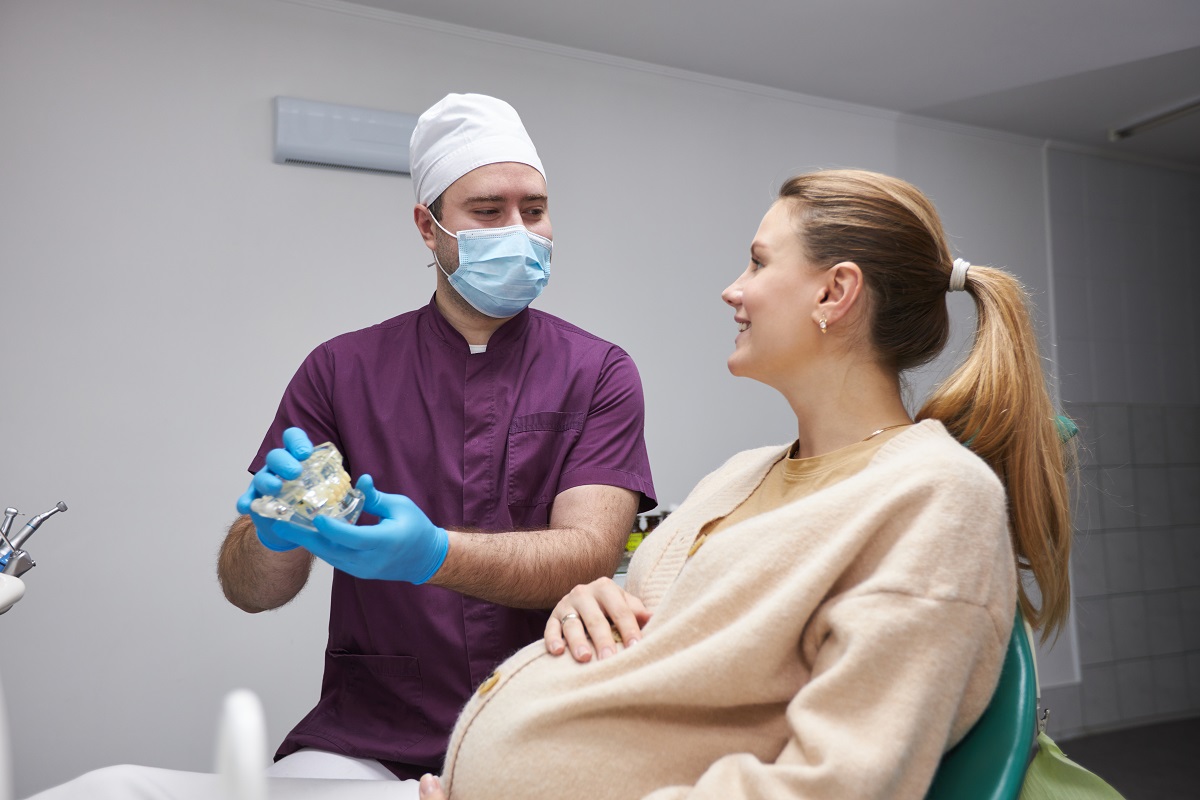
Pregnancy brings exciting changes, but it can also affect parts of your health that many women don’t expect, including their teeth and gums. At Westside Dentistry Paul V. Apilado, DDS, we’ve treated many expectant mothers from El Paso, Canutillo, Horizon City, Socorro, and surrounding communities who were surprised to experience bleeding gums, increased tooth sensitivity, or even cavities despite maintaining their usual oral hygiene routine. These changes are often linked to hormonal shifts, dietary changes, and morning sickness rather than poor dental habits. Knowing what to expect can help you avoid preventable problems and protect both your oral health and your overall well-being throughout pregnancy.
Dr. Paul V. Apilado is committed to helping patients of every age maintain healthy smiles through preventive, restorative, and personalized dental care. At Westside Dentistry Paul V. Apilado, DDS, he believes in educating patients so they can make confident decisions about their oral health during every stage of life, including pregnancy. Need guidance during pregnancy? If you’re experiencing bleeding gums, tooth sensitivity, or have questions about safe dental care while expecting, contact Westside Dentistry Paul V. Apilado, DDS today. Our team is here to provide personalized care and help you protect your smile throughout every stage of pregnancy.
Pregnancy Changes More Than You Might Realize
One of the biggest misconceptions we hear is, “Pregnancy ruined my teeth.” In reality, pregnancy itself doesn’t damage teeth. Instead, it creates conditions that make dental problems more likely if they aren’t addressed early.
Hormonal changes increase blood flow to the gums, making them more sensitive to plaque that may have gone unnoticed before pregnancy. At the same time, cravings, frequent snacking, dry mouth, and nausea can all contribute to a higher risk of cavities and gum inflammation.
We’ve also noticed that many patients become hesitant to schedule dental appointments because they’re worried treatment could affect their baby. While certain elective procedures may be postponed, preventive dental care and routine cleanings are generally considered an important part of a healthy pregnancy.
If you’re looking for preventive family dentistry in El Paso, staying consistent with regular dental visits can help identify small concerns before they become more difficult to manage later in pregnancy.
The Small Habits That Often Lead to Bigger Problems
Most pregnancy-related dental issues don’t happen overnight. Instead, they develop from everyday habits that seem harmless.
Brushing Less Because Your Gag Reflex Has Changed
Many women find brushing uncomfortable during the first trimester. A sensitive gag reflex or morning sickness may cause them to rush through brushing or avoid cleaning certain areas altogether.
Unfortunately, plaque continues to build even if brushing becomes more difficult. Small changes, such as using a smaller toothbrush head, brushing at a different time of day, or switching to a mild-flavored toothpaste, can make oral hygiene easier without sacrificing effectiveness.
Ignoring Bleeding Gums
Seeing blood while brushing can be alarming, and some patients mistakenly stop flossing because they think they’re making the problem worse.
In reality, healthy gums generally don’t bleed. During pregnancy, hormonal changes can make the gums more reactive to plaque, leading to pregnancy gingivitis. Continuing gentle brushing and flossing while maintaining professional dental cleanings often helps reduce inflammation rather than worsen it.
Many patients assume bleeding gums are simply “part of pregnancy,” but persistent inflammation deserves attention. Our blog on Essential Tips for Preventing Gum Disease in Its Earliest Stages explains how recognizing the earliest warning signs and improving your daily oral hygiene routine can help prevent gingivitis from progressing into more advanced periodontal disease.
Morning Sickness Can Affect More Than Your Stomach
Morning sickness creates another challenge that many people don’t consider.
Stomach acid repeatedly coming into contact with teeth gradually softens enamel. A common mistake is brushing immediately after vomiting. Although it feels like the right thing to do, brushing softened enamel can actually increase wear over time.
Instead, rinse your mouth with water or a mixture of water and baking soda to help neutralize acid. Waiting about 30 minutes before brushing allows enamel to reharden and reduces unnecessary abrasion.
These small adjustments may seem minor, but they often make a meaningful difference over the course of pregnancy.
Cravings, Frequent Snacking, and Cavities Often Go Hand in Hand
Pregnancy cravings are completely normal, but they can unintentionally increase your risk of tooth decay. Whether it’s dried fruit, crackers, fruit juice, or sweets, frequent snacking exposes your teeth to sugar and carbohydrates throughout the day. Every time you eat, bacteria in your mouth produce acids that weaken tooth enamel.
We’ve seen patients who rarely had cavities before pregnancy suddenly develop decay simply because they were eating smaller meals more often. It’s not necessarily what you’re eating; it’s how often your teeth are exposed to food.
You don’t have to avoid your favorite snacks entirely. Instead:
- Drink water after eating to help wash away food particles.
- Choose nutrient-rich snacks like cheese, yogurt, nuts, or fresh vegetables when possible.
- Wait until after a meal to enjoy sweets instead of grazing on them throughout the day.
- Brush twice daily with fluoride toothpaste and floss every day.
Small adjustments can significantly reduce your cavity risk while still supporting your nutritional needs.
Is It Safe to Visit the Dentist While You’re Pregnant?
This is one of the questions we answer most often.
Many expectant mothers postpone dental appointments because they’re afraid treatment could harm their baby. In reality, delaying care can allow minor problems to become painful infections that require more extensive treatment later.
Routine examinations, professional cleanings, and many necessary dental procedures can be performed safely during pregnancy. Your dentist will always consider your stage of pregnancy, medical history, and recommendations from your obstetrician when planning treatment.
At Westside Dentistry Paul V. Apilado, DDS, we also adjust patient positioning during longer appointments to improve comfort and minimize unnecessary pressure while you’re in the dental chair.
If you’re searching for a family dentist for expecting mothers, choosing a practice that communicates closely with both you and your healthcare providers can make dental visits much less stressful.
When Should You Call Your Dentist Instead of Waiting?
Some pregnancy-related changes are expected, but others should never be ignored.
Contact your dentist if you notice:
- Bleeding gums that continue despite improving your oral hygiene
- Swelling that becomes painful or spreads
- A persistent toothache
- A broken filling or chipped tooth
- Pus, drainage, or a bad taste coming from one area
- Difficulty chewing because of dental pain
- A loose tooth that wasn’t previously mobile
These symptoms may indicate an infection or advanced gum disease that won’t resolve on its own. Addressing these issues early is usually simpler and more comfortable than waiting until the discomfort becomes severe.
What We Commonly See in Our Office
One pattern we’ve observed is that many pregnant patients assume that any oral health changes are temporary and will disappear after delivery. While some gum inflammation improves once hormone levels return to normal, cavities, fractured teeth, and untreated infections won’t heal without professional care.
Another common misconception is that losing calcium from your teeth is an unavoidable part of pregnancy. In reality, your baby’s calcium needs are met through your diet and bones, not by pulling calcium directly from your teeth. Most dental problems during pregnancy are related to plaque buildup, acid exposure, and changes in daily habits rather than the pregnancy itself.
Patients who maintain regular preventive care throughout pregnancy generally experience fewer dental emergencies and return after delivery with healthier smiles.
Protect Your Smile Throughout Pregnancy
Pregnancy is an exciting time, and taking care of your oral health is an important part of self-care. Whether you have questions about bleeding gums, tooth sensitivity, or preventive dental care, Westside Dentistry Paul V. Apilado, DDS is here to help. Our team provides compassionate, personalized care to help expecting mothers maintain healthy smiles before, during, and after pregnancy. Contact us today to schedule your visit and receive guidance tailored to your individual needs.
Pregnancy brings many changes, but lasting dental problems don’t have to be one of them. By recognizing early warning signs, maintaining consistent oral hygiene, and seeking professional care when concerns arise, we can help protect your smile throughout every stage of pregnancy. Our goal is to keep both you and your growing family smiling with confidence for years to come.
Frequently Asked Questions
Can pregnancy really cause gum disease?
Pregnancy doesn’t directly cause gum disease, but hormonal changes make your gums more sensitive to plaque, increasing your risk of pregnancy gingivitis if oral hygiene isn’t maintained.
Why do my gums bleed even though I brush every day?
Hormones can increase blood flow to the gums, making them more likely to bleed. However, persistent bleeding should still be evaluated because it may indicate inflammation or early gum disease.
Is it safe to have my teeth cleaned while pregnant?
Yes. Professional dental cleanings are generally recommended during pregnancy because they help remove plaque and tartar that contribute to gum inflammation.
Should I brush my teeth immediately after morning sickness?
No. Rinse your mouth with water or a baking soda solution first, then wait about 30 minutes before brushing to help protect softened enamel.
Can a tooth infection affect my pregnancy?
An untreated dental infection can affect your overall health and should be evaluated promptly. Early treatment is always preferable to waiting until symptoms worsen.
What if I need a filling while I’m pregnant?
Necessary restorative treatment is often safer than allowing decay to progress. Your dentist will determine the best timing based on your individual situation.
Will my gums return to normal after pregnancy?
Many cases of pregnancy gingivitis improve after delivery, but existing gum disease won’t disappear without treatment.
How often should I see a dentist during pregnancy?
Continue your routine dental schedule unless your dentist recommends additional visits because of gum inflammation or other concerns.