
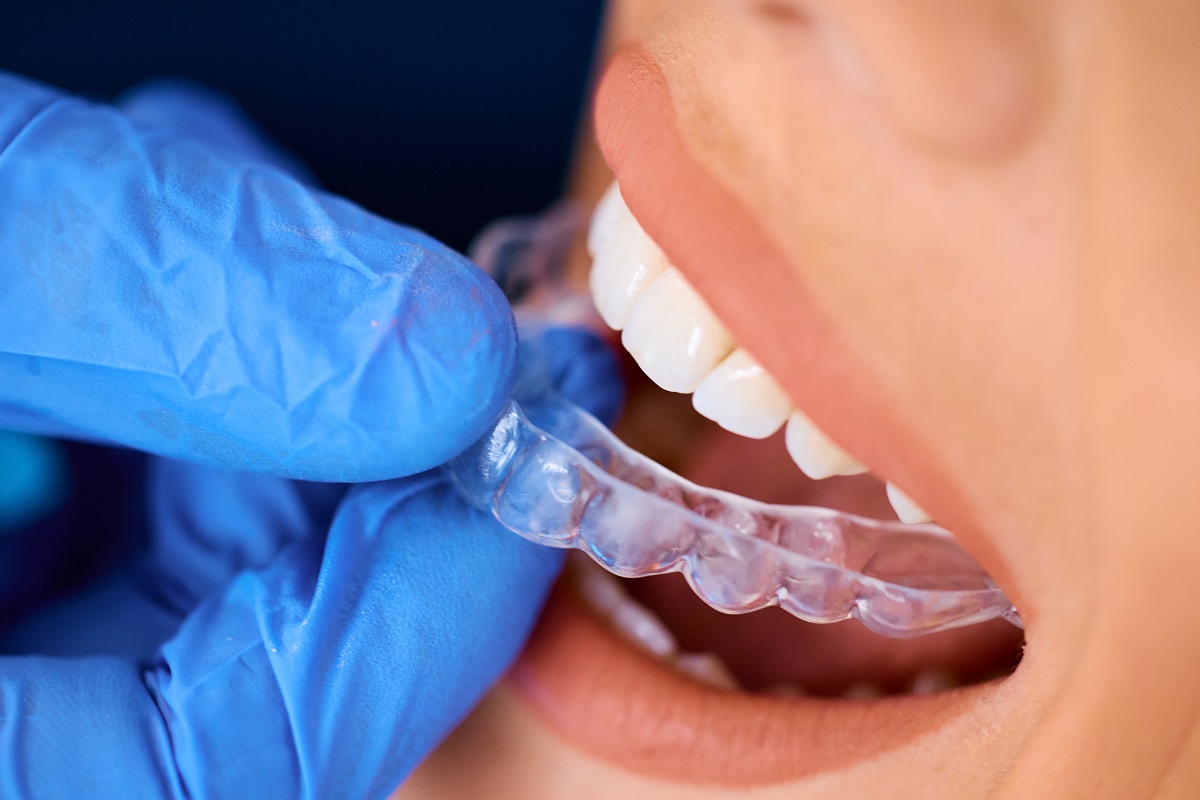
Finishing Invisalign is an exciting milestone. After months of wearing clear aligners, many patients in El Paso, Horizon City, Canutillo, Sunland Park, and nearby communities expect a perfectly polished smile the day their last tray comes out. Then comes an unexpected conversation: your dentist recommends a small amount of tooth reshaping.
If you’ve never heard of enamel reshaping or cosmetic contouring, it’s natural to wonder whether it’s actually necessary or simply an optional cosmetic touch. The answer depends on your teeth, your bite, and your treatment goals. In many cases, tooth reshaping isn’t about making dramatic changes; it’s about refining the final result so your smile functions as well as it looks.

About Dr. Paul V. Apilado, DDS
Dr. Paul V. Apilado, DDS believes successful orthodontic treatment goes beyond simply straightening teeth. At Westside Dentistry Paul V. Apilado, DDS, he takes a comprehensive approach to evaluating bite alignment, tooth shape, and long-term oral health, helping patients achieve smiles that are both attractive and functional. If you’re considering Invisalign or have questions after completing treatment, we invite you to visit our dental practice in El Paso for a personalized evaluation and expert guidance.
Straight teeth don’t always mean perfectly shaped teeth
One of the biggest misconceptions about Invisalign is that it changes the shape of your teeth. It doesn’t.
Clear aligners gradually move teeth into better positions, but they cannot alter the natural contours, edges, or proportions of each tooth. If you’ve always had slightly uneven front teeth, worn edges from grinding, or naturally irregular enamel, those features may become more noticeable once your teeth are properly aligned.
Many patients are surprised because they never noticed these small imperfections before treatment. When crowded teeth overlap, irregular edges often stay hidden. Once the teeth are straight, those details become much easier to see.
This is one reason patients seeking Invisalign in El Paso sometimes ask why their smile still looks slightly uneven after completing treatment.
What exactly is tooth reshaping?
Tooth reshaping, also called enamel contouring, is a conservative cosmetic procedure where a dentist gently smooths or adjusts tiny amounts of enamel to improve symmetry or function.
This is not the same as filing a tooth down significantly. In most cases, the amount of enamel removed is extremely small, often measured in fractions of a millimeter.
The goal is to create smoother transitions between teeth, even out minor irregularities, or eliminate tiny points that interfere with your bite.
For many patients, the difference is subtle enough that friends won’t know what changed, but they’ll notice the smile looks more balanced.
When reshaping serves a functional purpose
While some patients choose reshaping for cosmetic reasons, dentists often recommend it because it helps improve how the teeth work together.
For example, a tooth with a slightly sharp edge may consistently make first contact when you bite. Over time, that extra pressure can contribute to uneven wear, small chips, or discomfort.
Dentists may also recommend reshaping when they notice:
- Small enamel edges that create premature bite contact
- Minor chips that developed before or during treatment
- Teeth that appear uneven despite excellent alignment
- Tiny areas where plaque tends to collect because of rough enamel
- Small adjustments that help retainers fit more predictably
These situations aren’t emergencies, but making minor refinements now may reduce future problems.
When it may be completely optional
Not every recommendation for tooth reshaping is medically necessary.
Sometimes patients simply want a more polished smile after investing months into orthodontic treatment. Slightly uneven front teeth may not affect the bite at all, but smoothing those edges can improve overall smile aesthetics.
Your dentist should explain whether the recommendation is primarily cosmetic, functional, or a combination of both.
Understanding that distinction helps patients make informed decisions without feeling pressured.
A question many patients ask is, “Am I losing healthy enamel?”
This concern comes up almost every day.
Because enamel doesn’t grow back, patients understandably worry about removing any of it. The reassuring news is that conservative enamel contouring only removes very small amounts from carefully selected areas.
A responsible dentist evaluates enamel thickness before recommending reshaping. If removing enamel could compromise the tooth, another option is usually considered instead.
In some situations, cosmetic bonding may provide a better solution because material is added rather than removed.
The decision isn’t based on convenience. It’s based on preserving healthy tooth structure while achieving the best long-term outcome.
Why some people don’t need reshaping at all
Every Invisalign case finishes differently.
Some patients naturally have symmetrical teeth that require no additional refinement. Others have slight differences in tooth anatomy that become visible only after alignment.
Clinical experience shows that patients with previous enamel wear, old chips, or naturally irregular tooth shapes are more likely to benefit from minor contouring than patients whose teeth have maintained their original anatomy.
This is why two patients can complete nearly identical orthodontic treatment plans yet receive different recommendations afterward.
If you’re researching Invisalign providers near El Paso, choosing a provider who evaluates the entire smile rather than focusing only on tooth movement can make a meaningful difference in your final result.
Common mistakes patients make after Invisalign
Dentists often see patients make decisions based on internet myths rather than professional recommendations.
Some decline reshaping because they believe every adjustment permanently weakens the tooth.
Others request unnecessary contouring because they expect every tooth to be perfectly identical.
Neither expectation reflects reality.
Natural teeth have subtle variations. A healthy smile isn’t perfectly symmetrical, and it doesn’t need to be.
The goal is balance, proper function, and a natural appearance, not artificial perfection.
Another common mistake is assuming rough edges will eventually smooth themselves out. Minor chips and uneven enamel generally don’t improve on their own. If they interfere with your bite or continue to chip, it’s worth discussing treatment before the problem becomes more noticeable.
How dentists decide whether reshaping is right for you
The recommendation rarely comes from appearance alone.
Your dentist evaluates several factors together, including:
- How your upper and lower teeth meet
- Areas showing signs of uneven wear
- Existing enamel thickness
- Smile symmetry
- Long-term stability of your orthodontic result
- Your personal cosmetic goals
Sometimes the answer is yes.
Sometimes the answer is no.
And sometimes another treatment, such as bonding or veneers, may better achieve the outcome you’re hoping for.
The most important part is having an honest conversation about why the recommendation is being made.
What our patients say
Many patients tell us they’re initially nervous about any additional treatment after finishing Invisalign. Our goal is always to explain every recommendation clearly, answer questions honestly, and never recommend procedures that aren’t in a patient’s best interest.
Here’s what one of our patients shared about their experience at Westside Dentistry Paul V. Apilado, DDS:
“Brought my children here for the first time, and to say I was impressed by Joe and Dr. Apilado is an understatement. Joe greeted everyone with a smile. He made the experience feel like home. Dr. Apilado is clearly at the top of his game, incredibly professional and knowledgeable. As a healthcare worker, it warms my heart to know that some places still get it right!”
– J. Solorza
We’re grateful for feedback like this because it reflects the kind of experience we strive to provide every day. If you’re considering orthodontic treatment or post-Invisalign refinements, we invite you to explore more of our Google reviews to hear directly from patients who have trusted our team with their dental care.
Complete Your Smile with Confidence
If you’ve finished Invisalign and are wondering whether tooth reshaping is the right next step, the team at Westside Dentistry Paul V. Apilado, DDS is here to help. We’ll evaluate your bite, tooth anatomy, and smile goals, explain every recommendation in plain language, and discuss all available options so you can make a confident decision. Schedule a consultation today to learn whether a small refinement could make a lasting difference in your smile.
A beautifully aligned smile is about more than straight teeth. Sometimes the final step is simply deciding whether a small refinement will improve comfort, function, or overall appearance. We believe every recommendation should be based on your individual needs, not a routine checklist. By taking the time to evaluate your smile carefully and answer your questions honestly, we can help you feel confident that the results you achieved are built to last.
Frequently Asked Questions
Does everyone need tooth reshaping after Invisalign?
No. Many patients finish Invisalign without needing any additional contouring. The recommendation depends on your tooth shape, bite, and overall treatment outcome.
Is tooth reshaping painful?
Most patients don’t need anesthesia because only the outer enamel is gently adjusted. The procedure is typically quick and comfortable.
Can tooth reshaping fix chipped teeth?
Minor chips can often be smoothed with reshaping. Larger chips may require dental bonding or another restorative treatment.
Will reshaping damage my teeth?
When performed conservatively by an experienced dentist, enamel contouring is considered a safe procedure that preserves tooth health.
Is tooth reshaping included with Invisalign treatment?
This varies by dental practice. Some treatment plans include minor finishing refinements, while others may bill them separately.
What’s the difference between reshaping and bonding?
Reshaping removes tiny amounts of enamel to improve contours. Bonding adds tooth-colored material to build up or repair areas of the tooth.
Can I say no to tooth reshaping?
Yes. Your dentist should explain why it’s being recommended so you can decide whether the benefits align with your goals.
How long does tooth reshaping take?
Most contouring appointments take less than 30 minutes, depending on the number of teeth being adjusted.