
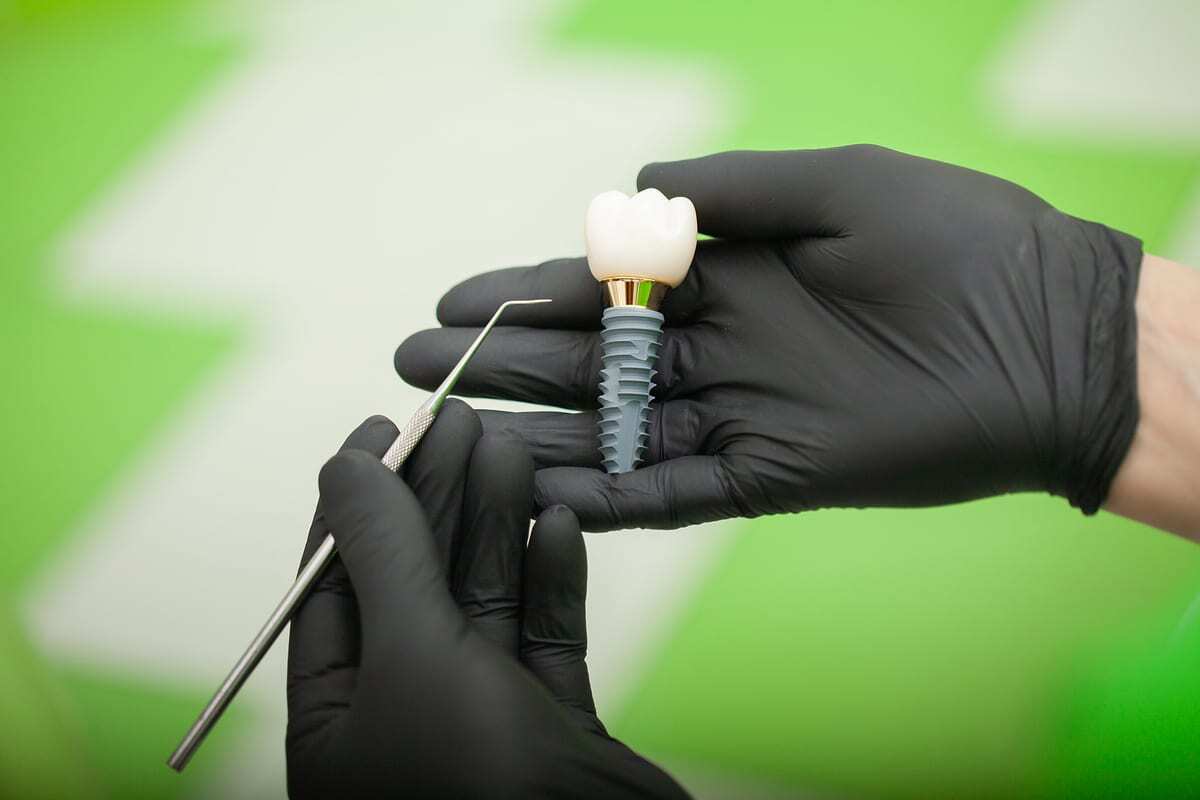
Losing a tooth feels manageable at first. You adjust your chewing, maybe avoid certain foods, and move on. But over time, something more serious starts to happen beneath the surface. If your jaw is shifting or your bite feels off, you may be asking: Is your jaw shifting? 5 signs you’ve waited too long for implants in El Paso — and the answer matters more than you think.
At Westside Dentistry, Dr. Paul V. Apilado works with El Paso patients who’ve delayed tooth replacement longer than they should have. Understanding the warning signs can help you take action before the damage becomes harder to reverse.
Why Waiting on Tooth Replacement Is Riskier Than You Think
Many people assume a missing tooth is simply a cosmetic issue. In reality, every tooth plays a structural role in your jaw and bite. When a tooth is gone, the jawbone beneath it begins to shrink — a process called bone resorption.
This happens because your tooth root normally stimulates the bone every time you chew. Without that stimulation, the bone starts to dissolve. Within the first year of tooth loss, you can lose up to 25% of the surrounding bone volume.
That bone loss changes everything. It shifts neighboring teeth, alters your bite, and can even change the shape of your face over time. The longer you wait, the more your options narrow.
Sign 1 — Your Jaw Is Visibly Shifting or Your Bite Feels Off
One of the earliest and most telling signs is a change in how your teeth come together. You might notice that your bite feels uneven or that your jaw drifts when you close your mouth. This happens because neighboring teeth begin to tilt into the empty space left by a missing tooth.
Once teeth start drifting, they create gaps and misalignments throughout your entire bite. This puts stress on your jaw joint, known as the TMJ. Over time, that stress can lead to jaw pain, clicking sounds, and even chronic headaches.
A shifting bite is a signal that bone loss and tooth movement are already underway. Addressing it with Dental Implants El Paso patients trust can stop that progression before it worsens.
Sign 2 — You’ve Started Avoiding Certain Foods
Think about El Paso the last time you bit into a crunchy apple or chewed a thick piece of steak without hesitation. If you’re unconsciously avoiding hard or chewy foods, that’s a significant red flag. It means your current bite can no longer handle normal chewing demands.
This dietary restriction has real consequences beyond inconvenience. Avoiding nutritious foods like raw vegetables, nuts, and lean proteins can affect your overall health. Many patients don’t even realize they’ve changed their diet until someone points it out.
Chewing difficulty is your body telling you that something structural is wrong. An implant restores full chewing function so you can eat what you want without pain or embarrassment.
Sign 3 — Your Remaining Teeth Are Cracking or Wearing Down Unevenly
When you’re missing one or more teeth, the rest of your mouth compensates. Your remaining teeth absorb more biting force than they were designed to handle. Over time, that excess pressure causes uneven wear, micro-fractures, and even full cracks in otherwise healthy teeth.
This is one of the most costly consequences of waiting. What starts as one missing tooth can snowball into damage across multiple teeth. Each cracked or worn tooth may eventually need its own restoration.
- Chipped or cracked teeth from uneven bite pressure
- Flattened or worn enamel on certain teeth
- Increased tooth sensitivity from enamel erosion
- Fractures that reach the root and require extraction
Addressing a missing tooth early with an implant protects the teeth you still have. It distributes bite force evenly and prevents a chain reaction of damage.
Sign 4 — Your Face Looks Sunken or Older Than Your Age
This sign surprises many patients. Bone loss in the jaw doesn’t just affect your teeth — it changes the shape of your face. When the jawbone shrinks, the cheeks and lips lose their natural support structure.
The result is a sunken or collapsed facial appearance that can make you look significantly older. This is sometimes called the