
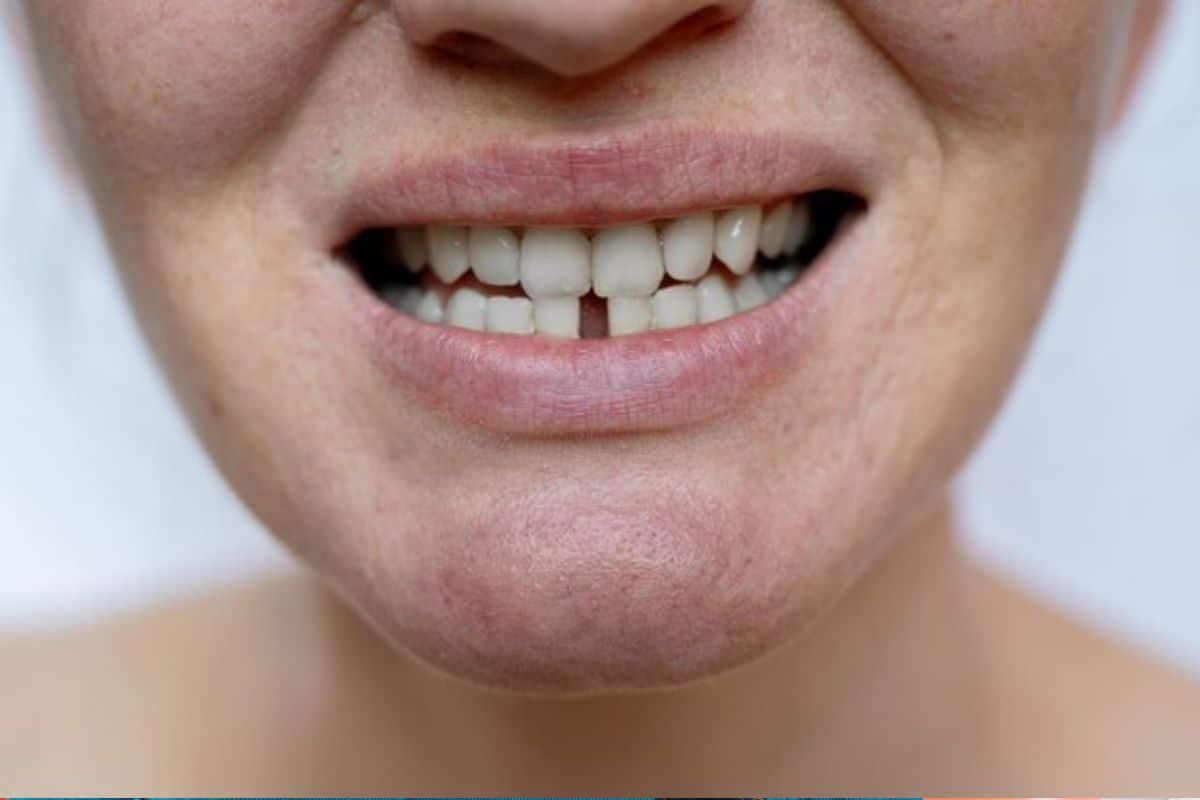
Cosmetic dentistry has revolutionized the way people approach their smiles, offering effective solutions for closing gaps between teeth. Whether caused by genetics, trauma, or other dental issues, gaps in teeth can impact both the function and aesthetics of your smile. Fortunately, there are several cosmetic dental treatments that can help close those gaps and restore confidence in your smile. Let’s explore some of the best options available.
1. Porcelain Veneers: A Custom Solution
Porcelain veneers are one of the most popular cosmetic dentistry options for closing gaps between teeth. These thin, custom-made shells are designed to cover the front surface of the teeth.
How Veneers Work
Veneers are bonded to the teeth after a small amount of enamel is removed. They are made from durable, natural-looking porcelain that mimics the appearance of real teeth, making them ideal for closing gaps. The procedure is minimally invasive and can provide immediate results.
Why Choose Veneers?
- Natural Look: Porcelain veneers look incredibly realistic, blending seamlessly with your natural teeth.
- Long-lasting: With proper care, veneers can last for many years.
- Quick Transformation: The procedure often takes just two visits to complete.
2. Dental Bonding: Quick and Affordable
For those seeking a less invasive and more affordable solution, dental bonding can be an excellent option. This process involves applying a tooth-colored resin to the affected teeth, which is then sculpted to close the gaps.
How Dental Bonding Works
The bonding material is carefully shaped to fill in the gap and restore the tooth’s natural contour. Once applied, the resin is hardened with a special light. The treatment typically takes 30 to 60 minutes per tooth and requires no anesthesia.
Benefits of Dental Bonding
- Cost-effective: Bonding is a less expensive alternative compared to veneers or crowns.
- Minimally Invasive: Only minimal alteration of the natural tooth structure is necessary.
- Quick Procedure: Bonding can usually be completed in one visit, making it ideal for those with busy schedules.
3. Braces or Clear Aligners: For More Complex Cases
In cases where the gaps are larger or the teeth are misaligned, traditional braces or clear aligners, like Invisalign, may be necessary. These orthodontic treatments gradually move the teeth into better alignment, helping to close gaps and improve overall dental health.
How Braces and Aligners Work
Braces use metal brackets and wires to move the teeth into their correct positions. Clear aligners, on the other hand, are removable trays that gradually shift teeth into alignment without the use of wires and brackets.
Advantages of Braces or Clear Aligners
- Address Underlying Issues: Braces and clear aligners can correct a wide range of dental issues, including gaps caused by crooked teeth.
- Long-term Results: While they may take longer to work, braces and aligners provide permanent solutions for gap closure.
- Customized Treatment: Both options are tailored to fit your specific needs, ensuring optimal results.
4. Dental Implants: The Permanent Solution
If the gap in your teeth is caused by missing teeth, dental implants may be the best solution. Implants are artificial tooth roots placed into the jawbone, designed to support a replacement tooth or bridge.
How Dental Implants Work
During the implant procedure, a small titanium post is inserted into the jawbone, where it fuses with the bone over time. Once the implant has fully integrated, a crown or bridge is attached to close the gap.
Why Choose Dental Implants?
- Permanent Solution: Dental implants provide a long-lasting, permanent solution for missing teeth.
- Natural Look and Feel: Implants function like natural teeth and help preserve the integrity of the jawbone.
- No Need to Alter Surrounding Teeth: Unlike bridges or dentures, implants do not require altering adjacent teeth.
5. Bridges: Closing Gaps Caused by Missing Teeth
Dental bridges are another option for closing gaps caused by missing teeth. A bridge is a prosthetic device that replaces a missing tooth by using adjacent teeth as anchors.
How Bridges Work
A bridge consists of a false tooth (pontic) held in place by crowns placed over the neighboring teeth. It helps close the gap while restoring the appearance and function of the mouth.
Benefits of Bridges
- Restore Functionality: Bridges help restore chewing and speaking abilities affected by missing teeth.
- Non-Invasive: Bridges don’t require surgery and are typically completed in two or three visits.
- Aesthetic Appeal: Bridges are custom-made to match the color and shape of your natural teeth.
Conclusion
Cosmetic dentistry offers a variety of solutions for closing gaps in teeth, whether they are caused by misalignment, missing teeth, or other factors. Options such as porcelain veneers, dental bonding, clear aligners, and dental implants provide practical ways to enhance your smile’s appearance and function. Consulting with a cosmetic dentist in El Paso will help you determine which treatment best suits your individual needs and goals, ensuring that you achieve the smile you’ve always wanted.
With the right cosmetic dental treatment, closing gaps in your teeth can be a straightforward process that results in a beautiful, confident smile. If you’re considering enhancing your smile, schedule a consultation with a cosmetic dentist in El Paso to explore your options and begin your journey to a gap-free smile today.