
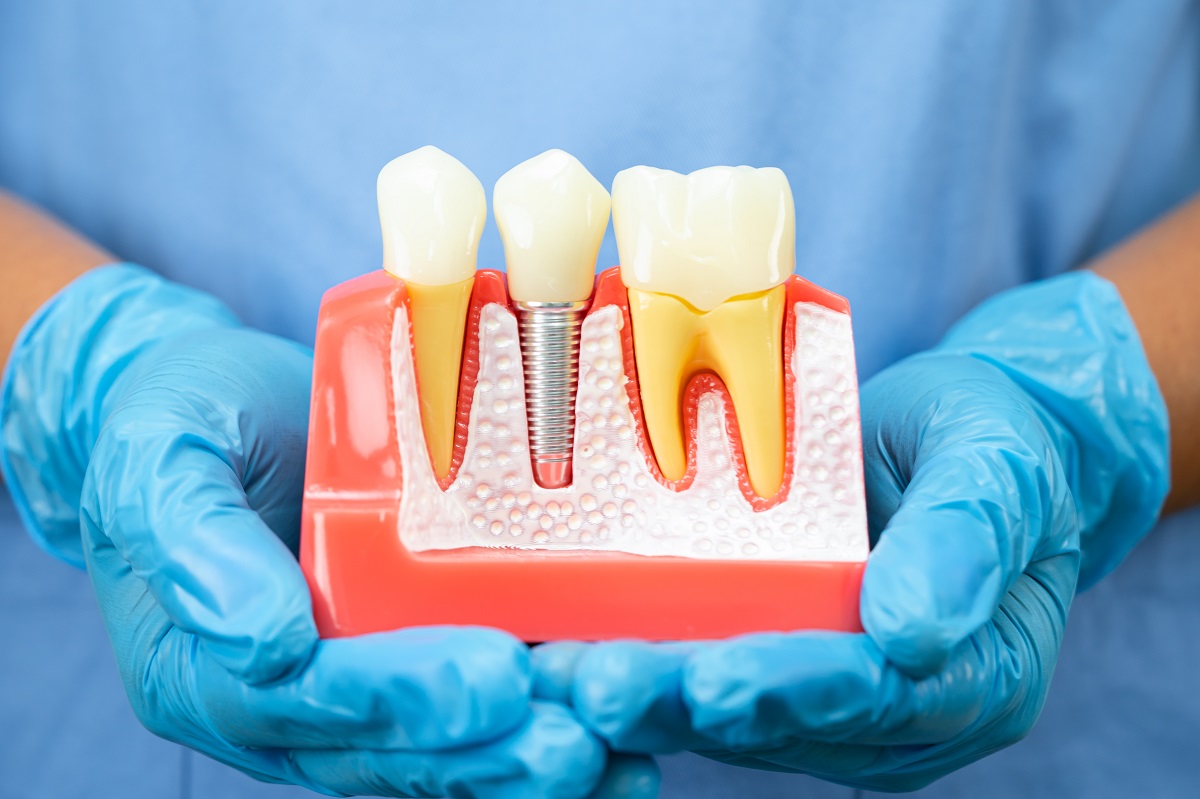
Replacing missing teeth with dental implants is one of the most reliable ways to restore your smile, but their long-term success depends on more than the procedure itself. Here in El Paso, we often meet patients from neighborhoods like West Side El Paso, Kern Place, Mission Hills, and Canutillo who assume implants are maintenance-free because they cannot get cavities. While implants are highly durable, everyday habits can still damage the surrounding tissues or place excessive stress on the restoration. Knowing what to avoid can help protect your investment and keep your smile functioning comfortably for years.
Dr. Paul V. Apilado of Westside Dentistry Paul V. Apilado, DDS is committed to helping patients achieve healthy, confident smiles through evidence-based dental care. By combining modern technology with personalized treatment, he helps patients make informed decisions that protect both the appearance and long-term health of their smiles.
Dental Implants Are Strong, But They Are Not Indestructible
A dental implant consists of a titanium post that integrates with your jawbone, an abutment, and a custom restoration. While the implant itself is extremely strong, the surrounding bone and gum tissue remain vulnerable to inflammation, excessive bite pressure, and poor oral hygiene.
Patients searching for dental implants in El Paso TX are often surprised to learn that most implant complications are not caused by the implant failing on its own. Instead, they usually develop because of everyday behaviors that gradually weaken the supporting tissues or damage the restoration.
Here are six habits dentists commonly see that can shorten the lifespan of dental implants.
1. Skipping Daily Brushing and Flossing
Unlike natural teeth, implants cannot develop cavities. However, plaque still accumulates around the gumline.
When plaque remains in place, bacteria can inflame the surrounding tissue, leading to peri-implant mucositis. If left untreated, the inflammation can progress into peri-implantitis, a more serious condition that causes bone loss around the implant.
One common misconception is that implants require less cleaning than natural teeth. In reality, they require just as much attention.
Watch for:
- Bleeding when brushing
- Red or swollen gums
- Persistent bad breath
- Tenderness around the implant
2. Using Your Teeth as Tools
Many people instinctively use their teeth to open packages, tear tape, or hold objects while their hands are full.
Although implants can withstand normal chewing forces, they are not designed for these types of repetitive side-loading forces. This habit can chip porcelain crowns, loosen screws, or place unnecessary stress on implant components.
In our practice, patients often don’t realize this behavior contributed to the damage because the effects usually develop gradually rather than after one obvious incident.
3. Chewing Ice, Hard Candy, or Other Extremely Hard Foods
Hard foods generate concentrated pressure that can exceed what the restoration was designed to absorb.
Chewing ice, popcorn kernels, hard candies, or similar foods may not damage the titanium implant itself, but they can fracture the porcelain crown or loosen implant components over time.
Patients sometimes assume that because implants feel like natural teeth, they can handle anything. The restoration is durable, but it still benefits from reasonable care.
If you notice a small chip, a change in your bite, or unusual movement, schedule an evaluation before the problem becomes more extensive.
4. Ignoring Teeth Grinding or Jaw Clenching
Many people grind or clench their teeth while sleeping without realizing it.
This repeated pressure places tremendous force on both natural teeth and implants. Unlike natural teeth, implants do not have the periodontal ligament that helps absorb shock, so excessive bite forces transfer directly to the surrounding bone and restoration.
Signs you may be grinding include:
- Morning jaw soreness
- Frequent headaches
- Worn teeth
- Chipped dental restorations
For patients with bruxism, a custom night guard can significantly reduce unnecessary stress on dental implants.
5. Smoking or Using Tobacco Products
Smoking remains one of the biggest risk factors for implant complications.
Nicotine reduces blood flow to the gums, slows healing, and interferes with the body’s ability to fight infection. Even years after successful implant placement, tobacco use increases the likelihood of inflammation and bone loss around the implant.
Some patients believe occasional smoking is harmless once the implant has healed. Unfortunately, the effects of tobacco continue long after recovery.
If you’re considering quitting, protecting your implant can be another meaningful reason to take that step.
6. Skipping Routine Dental Checkups
One of the most preventable mistakes we see is waiting until an implant feels loose or painful before scheduling an appointment.
Implant complications often begin with subtle changes that patients cannot detect on their own. During routine visits, your dentist evaluates the surrounding gums, bite alignment, and implant stability while removing hardened deposits that brushing cannot eliminate.
Small concerns identified early are usually much easier to manage than advanced bone loss or damaged restorations.
Regular professional care helps preserve both the appearance and function of your smile for the long term.
Avoiding these everyday habits is an important part of protecting your investment, but long-term success also depends on consistent daily care. From choosing the right oral hygiene tools to maintaining healthy gums around your restoration, proper maintenance makes a significant difference. Learn more about how to maintain your dental implants and the simple steps that help keep your smile healthy for years.
When Should You Schedule an Evaluation?
Some changes deserve prompt attention rather than a wait-and-see approach.
Contact your dentist if you notice:
- Bleeding around the implant
- Swelling or pus
- Persistent discomfort
- A loose-feeling crown
- Changes in your bite
- Difficulty chewing
- An unpleasant taste that doesn’t go away
These symptoms do not always mean the implant has failed, but they should be professionally evaluated before they worsen.
Patients looking for dental implants El Paso TX often focus on choosing the right procedure, but long-term success also depends on recognizing small warning signs before they become significant problems.
Protect Your Investment with Expert Implant Care
Dental implants are designed to last for many years, but they perform best when supported by healthy daily habits and regular professional care. If you’ve noticed changes around your implant or simply want to ensure everything remains in excellent condition, the team at Westside Dentistry Paul V. Apilado, DDS is here to help. We provide comprehensive implant evaluations, preventive care, and personalized recommendations to help protect your smile for years to come. Contact our office today to schedule your appointment.
Healthy habits play a much bigger role in implant success than many people realize. While implants are incredibly durable, they still depend on healthy gums, strong bone support, and routine professional care. By avoiding these everyday mistakes and seeking attention when something doesn’t feel right, we can help protect your smile and enjoy the long-lasting benefits of tooth replacement with confidence.
Frequently Asked Questions
Can dental implants be damaged even if they don’t get cavities?
Yes. Although implants cannot develop cavities, plaque, gum disease, excessive bite forces, and trauma can still damage the surrounding tissues or restoration.
Is occasional teeth grinding enough to damage an implant?
Occasional grinding may not cause immediate problems, but repeated clenching over time can loosen components or increase wear on the implant crown.
What is the earliest sign of implant problems?
Bleeding around the implant during brushing is often one of the first warning signs of inflammation and should not be ignored.
Can a damaged implant be repaired?
Many issues involve the crown or abutment rather than the implant itself. Early diagnosis often allows treatment before replacement becomes necessary.
Is it safe to chew ice with dental implants?
No. Chewing ice can place excessive force on the restoration and increase the risk of chipped porcelain or loose components.
How often should dental implants be professionally checked?
Most patients benefit from routine examinations and cleanings every six months, although your dentist may recommend more frequent visits based on your oral health.
Does smoking affect implants even years after surgery?
Yes. Smoking continues to increase the risk of gum inflammation, bone loss, and implant complications long after healing is complete.
Can a loose implant crown be tightened?
In many cases, yes. A loose crown may simply require adjustment or tightening, but it should be evaluated promptly to prevent additional damage.