
Dental implants have revolutionized the field of restorative dentistry, offering a reliable and long-lasting solution for people with missing teeth. One of the most common questions patients have is about the strength of dental implants. After all, they need to withstand the daily pressure of chewing, biting, and speaking. In this blog, we’ll explore how strong dental implants are, what factors influence their strength, and how they compare to natural teeth.
The Basics of Dental Implants
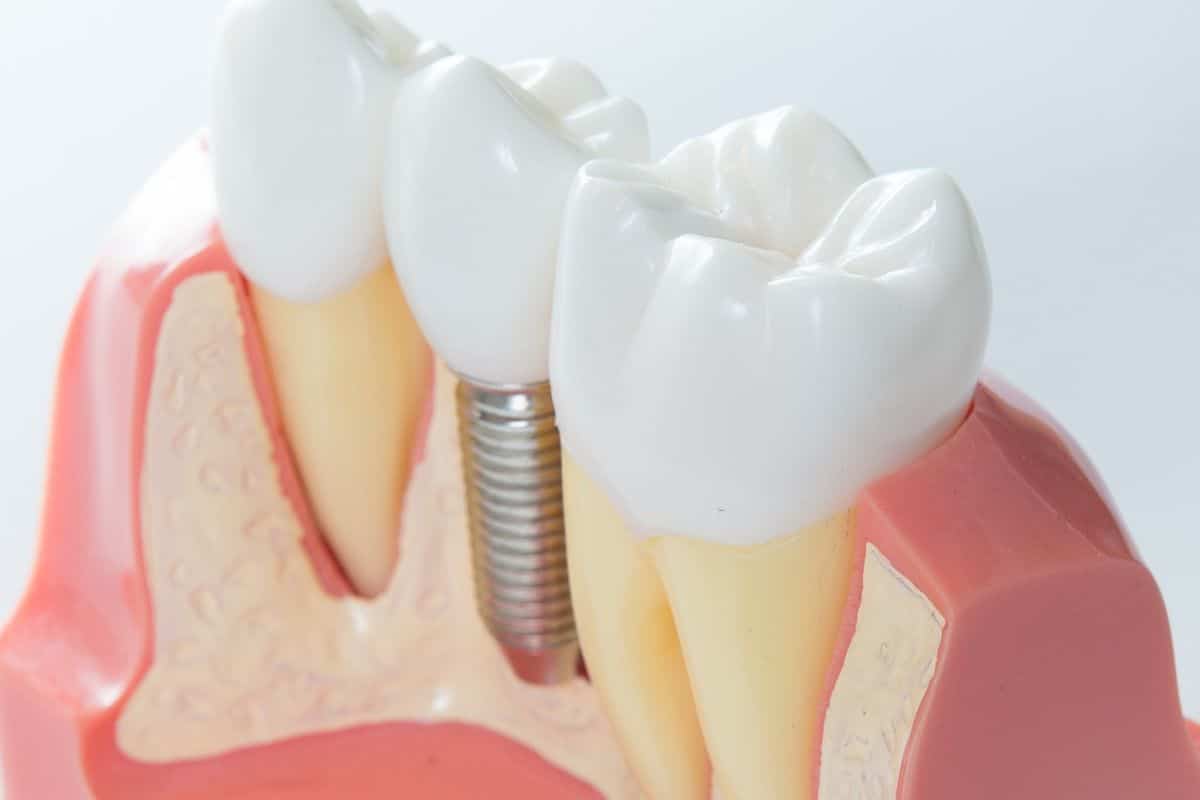
Before diving into the strength of dental implants, let’s first understand what they are. A dental implant is a titanium post that is surgically placed into the jawbone to act as a replacement for a missing tooth root. After the implant has integrated with the bone through a process called osseointegration, a crown, bridge, or denture is placed on top to restore the function and appearance of the missing tooth.
Titanium is widely used for implants due to its unique properties. It is incredibly strong, biocompatible (meaning it’s unlikely to be rejected by the body), and able to fuse with the bone, creating a stable foundation for the replacement tooth.
Factors That Affect the Strength of Dental Implants
Several factors can influence the strength and longevity of dental implants. Let’s take a closer look at some of the key elements that determine how strong your implant will be:
1. Quality of the Jawbone
The strength of the jawbone plays a significant role in the stability of a dental implant. A healthy, dense jawbone allows the titanium implant to fuse properly with the bone, resulting in a strong and durable foundation. If the jawbone is weak or lacks density, your dentist may need to perform a bone grafting procedure to add bone material before placing the implant.
2. Type of Implant Used
Different types of dental implants are available, including endosteal implants (placed directly into the jawbone) and subperiosteal implants (placed under the gum but on top of the jawbone). Endosteal implants are generally considered the strongest and most commonly used option, as they offer a better fit and greater stability.
3. Implant Placement and Technique
The skill of your dentist or oral surgeon plays a vital role in the strength of your dental implant. Proper placement is crucial to ensure the implant integrates well with the jawbone. The procedure should be done with precision to avoid complications, such as implant failure or misalignment, which can affect the strength of the implant.
4. Patient’s Overall Health
A patient’s health status can impact the healing process and the success of the implant. Conditions such as diabetes, smoking, and poor oral hygiene can hinder osseointegration and reduce the strength of the implant over time. It is essential to follow aftercare instructions carefully and attend regular follow-up appointments with your dentist.
How Strong Are Dental Implants Compared to Natural Teeth?
Dental implants are incredibly strong and can withstand the forces of normal chewing and biting. In fact, titanium implants are considered stronger than natural tooth roots in terms of their material strength. When properly placed, dental implants can last for decades, with many lasting 20 years or more.
1. Strength and Durability
Dental implants are designed to handle the same amount of pressure as natural teeth. On average, a person exerts about 170 pounds of force when chewing. Titanium implants are engineered to withstand far more than this, making them an excellent option for those who want a reliable and durable tooth replacement solution.
2. Comparison to Natural Teeth
While dental implants are exceptionally strong, natural teeth have the advantage of being part of the living structure of the body. Teeth have natural shock-absorbing properties, which can help to protect them from extreme pressure. However, when an implant fuses with the jawbone, it becomes almost as strong as the natural tooth it is replacing.
It’s important to note that while dental implants are highly durable, they are still susceptible to damage from external trauma, such as a blow to the face or grinding teeth. However, with proper care and maintenance, implants can continue to function just as well as natural teeth.
How Long Do Dental Implants Last?
One key factor contributing to the strength of dental implants is their longevity. With proper care, dental implants can last anywhere from 20 to 30 years or even a lifetime. This is in contrast to other dental restoration options, such as bridges and dentures, which may need to be replaced after several years.
The longevity of a dental implant is largely dependent on the quality of the materials, the skill of the dentist, and the patient’s commitment to oral hygiene. Regular dental checkups and maintaining good oral hygiene habits are essential for ensuring the long-term success of dental implants.
Conclusion
Dental implants are a strong and reliable solution for replacing missing teeth. They are designed to endure the pressures of daily use, often with a strength that surpasses natural teeth. By understanding the factors that contribute to their strength, such as jawbone health, implant type, and proper care, you can make an informed decision about whether dental implants are right for you. With proper maintenance, dental implants can provide a durable, long-lasting, and natural-looking solution to restore your smile and improve your quality of life.