
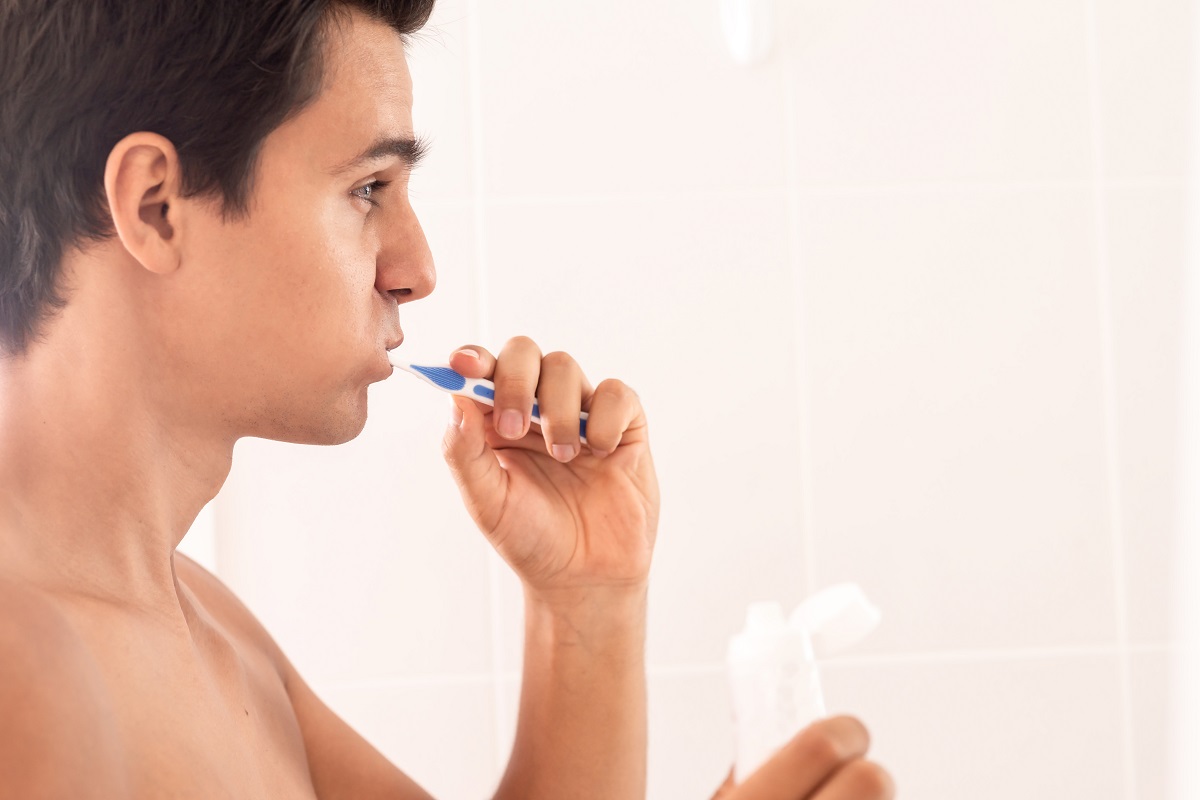
If you’ve walked down the oral care aisle in El Paso, you’ve probably noticed charcoal toothpastes and whitening powders claiming to deliver a brighter smile naturally. Whether you’re getting ready for a special event in Downtown El Paso, heading to work near the West Side, or simply looking to improve your smile, it’s easy to wonder if these products are worth trying. Before adding charcoal to your daily routine, it’s important to understand what it can and cannot do for your teeth and how it may affect your long-term oral health.
About the Author
Dr. Paul V. Apilado of Westside Dentistry is committed to helping patients achieve healthy, confident smiles through evidence-based dental care. By combining modern technology with personalized treatment, he helps patients make informed decisions that protect both the appearance and health of their teeth. Ready to brighten your smile safely? Contact Westside Dentistry today to schedule a consultation. We’ll help you choose the safest and most effective whitening solution based on your smile goals and oral health.
Why Charcoal Whitening Has Become So Popular
Activated charcoal has gained attention because it is marketed as a natural way to remove stains without chemicals. Social media videos often show dramatic before-and-after results, leading many people to believe it’s a safe alternative to professional whitening.
In reality, charcoal works differently than most people assume. Rather than changing the internal color of your teeth, charcoal is primarily abrasive. It can help scrub away some surface stains left behind by coffee, tea, wine, or tobacco, but it does not bleach the tooth structure the way professional whitening agents do.
Many patients who visit a cosmetic dentist in El Paso for professional teeth whitening are surprised to learn that charcoal cannot address the deeper discoloration caused by aging, medications, trauma, or changes within the enamel itself.
What Actually Happens When You Brush With Charcoal?
Think of activated charcoal like a very fine polishing material. As you brush, tiny particles rub against the tooth surface and may remove external stain buildup.
The concern isn’t necessarily that charcoal is toxic. The concern is repeated abrasion.
Enamel is the strongest substance in the human body, but it cannot regenerate once it’s worn away. If a whitening product is too abrasive and used frequently, it may gradually thin the enamel over time.
As enamel becomes thinner, several problems can develop:
- Increased tooth sensitivity
- A higher risk of surface wear
- Greater exposure of the naturally yellow dentin underneath
- Rougher tooth surfaces that may attract stains more easily
Ironically, some people continue using charcoal because their teeth begin looking darker after months of use, not realizing the enamel has become thinner.
Why Some People Think It Works
Many charcoal users notice their teeth look cleaner after the first few uses.
That doesn’t necessarily mean the teeth have become whiter.
Dentists often explain that removing surface stains can temporarily make teeth appear brighter. However, this effect has limits. Once those superficial stains are gone, charcoal cannot continue whitening the tooth itself.
Patients sometimes mistake this temporary improvement for long-term whitening and continue brushing aggressively, believing more charcoal will produce even better results.
A Common Mistake Dentists See
One pattern dentists frequently observe involves patients combining multiple whitening methods without understanding how they interact.
For example, someone may use charcoal toothpaste twice daily while also using whitening strips several nights a week. Others scrub harder with charcoal, believing additional pressure improves results.
Instead of achieving a brighter smile, they may develop:
- Gum irritation
- Tooth sensitivity
- Worn enamel edges
- Uneven whitening
These issues often require modifying the whitening plan or temporarily stopping cosmetic treatment until the teeth recover.
Is Charcoal Safe for Everyone?
Not necessarily.
People with healthy enamel may tolerate occasional use of certain charcoal-containing products, but that doesn’t mean charcoal is the best option.
Extra caution is recommended for individuals who have:
- Sensitive teeth
- Receding gums
- Thin enamel
- Dental veneers
- Crowns
- Bonding
- Tooth-colored fillings
Charcoal will not whiten dental restorations. If your natural teeth lighten while crowns or veneers remain unchanged, your smile may begin to look uneven.
This is one reason many patients first consult a cosmetic dentist near El Paso who can evaluate whitening options before spending money on over-the-counter products.
Does “Natural” Mean Safer?
One of the biggest misconceptions surrounding charcoal is that natural automatically means harmless.
Many naturally occurring substances can still damage teeth if they’re abrasive or acidic.
The safety of any whitening product depends on factors such as:
- Its abrasiveness
- How often it’s used
- The condition of your enamel
- Your existing dental work
- Your overall oral health
Dentists evaluate these factors before recommending a whitening approach because every smile responds differently.
When Professional Whitening Makes More Sense
Professional whitening isn’t simply stronger than store-bought products. It’s also more controlled.
Before whitening begins, your dentist checks for issues such as:
- Cavities
- Cracked teeth
- Gum disease
- Exposed roots
- Existing restorations
Treating these conditions first helps reduce complications and improves whitening results.
Professional whitening products also penetrate beneath the enamel to break apart stain molecules rather than simply scrubbing the surface of the tooth.
This allows for more noticeable, longer-lasting improvement while minimizing unnecessary enamel wear.
What If You’ve Already Been Using Charcoal?
There’s no reason to panic if you’ve tried charcoal toothpaste.
Occasional use doesn’t automatically mean permanent damage has occurred.
However, if you’ve recently noticed:
- Increased sensitivity to cold foods
- Teeth feeling rough
- More visible yellowing
- Pain while brushing
- Gum irritation
it’s a good idea to schedule a dental examination. These symptoms may have several possible causes, and an evaluation can determine whether enamel wear, gum recession, or another dental condition is responsible.
Many patients assume sensitivity is simply part of whitening, when it may actually indicate that the teeth need a different treatment approach.
Making the Best Decision for Your Smile
Whitening should never come at the expense of your oral health.
Before choosing any whitening product, ask yourself:
- What type of stains am I trying to remove?
- Do I have crowns, veneers, or fillings?
- Have my teeth become sensitive recently?
- Am I hoping for dramatic whitening or simply stain removal?
The answers help determine whether charcoal is appropriate or whether another whitening option would provide safer and more predictable results.
A personalized evaluation often saves both time and money by matching treatment to your specific goals instead of relying on marketing claims.
Brighten Your Smile With Guidance You Can Trust
If you’re considering whitening your teeth but aren’t sure whether charcoal products are right for you, the team at Westside Dentistry Paul V. Apilado, DDS can help. We’ll evaluate your oral health, discuss your smile goals, and recommend safe whitening options that deliver noticeable results while protecting your enamel. Schedule your consultation today to learn which approach is best for your smile.
A brighter smile should never come at the cost of healthy teeth. By understanding how charcoal products work and recognizing their limitations, we can make better decisions about whitening treatments that protect our enamel while achieving results we can feel confident about. When questions arise, we’re here to help you choose the safest path toward a healthier, brighter smile.
Frequently Asked Questions
Does charcoal actually whiten teeth?
Charcoal mainly removes some surface stains through abrasion. It does not bleach the inner tooth structure the way professional whitening treatments do.
Can charcoal toothpaste damage enamel?
Frequent use of highly abrasive charcoal products may contribute to enamel wear over time, particularly if you brush aggressively or already have thin enamel.
Is charcoal whitening safe for sensitive teeth?
People with sensitive teeth should be cautious. Abrasive products can sometimes increase discomfort and should be discussed with a dentist before regular use.
Can charcoal whiten crowns or veneers?
No. Charcoal does not change the color of crowns, veneers, fillings, or other dental restorations.
Why do my teeth look more yellow after using charcoal?
If enamel gradually wears away, more of the naturally yellow dentin underneath may become visible, making teeth appear darker despite continued whitening efforts.
How can I tell if charcoal is causing problems?
Signs such as increased sensitivity, rough tooth surfaces, gum irritation, or discomfort while brushing should be evaluated by your dentist.
Is professional whitening safer than charcoal toothpaste?
Professional whitening is customized to your oral health and uses clinically tested whitening agents under dental supervision, making it a more predictable option for many patients.
Should I stop using charcoal if I notice sensitivity?
Yes. Discontinue use and schedule a dental examination to identify the underlying cause before sensitivity worsens.